Mitglied Home
»
Benutzers Blogs
»
billanderson's Blog
billanderson's Blog
Youth Baseball Sliding Shorts: Essential Protection for Young Athletes

Baseball, America's favorite pastime, is a sport that combines skill, strategy, and athleticism. For young players, the thrill of sliding into a base is an integral part of the game, but it also comes with the risk of injury. This is where youth baseball sliding shorts come into play, offering essential protection for young athletes as they develop their skills and passion for the sport.
Youth baseball sliding shorts are specialized garments designed to provide protection and comfort for young players during the dynamic movements of the game, particularly when sliding. These shorts have become an indispensable piece of equipment for players at all levels, from Little League to high school baseball. They offer a perfect blend of safety features and performance-enhancing elements that can make a significant difference in a young player's confidence and ability on the field.
 One of the primary features of youth baseball sliding shorts is the padded protection they offer. Strategic padding is typically placed in areas most prone to impact during slides, such as the hips, thighs, and sometimes the knees. This padding acts as a cushion between the player's skin and the rough terrain of the baseball diamond, significantly reducing the risk of abrasions, cuts, and bruises that often result from aggressive sliding. The padding is designed to be low-profile, ensuring that it doesn't interfere with the player's mobility or comfort while providing crucial protection when it's needed most.
The compression fit of sliding shorts is another key feature that benefits young players. This snug, form-fitting design serves multiple purposes. Firstly, it ensures that the protective padding stays in place during the dynamic movements of the game, providing consistent protection. Secondly, the compression aspect of the shorts supports muscles, potentially reducing fatigue and aiding in quicker recovery times. This can be particularly beneficial during long games or tournaments, where maintaining peak physical condition is crucial for young athletes.
Modern youth baseball sliding shorts often incorporate moisture-wicking fabric into their design. This advanced material draws sweat away from the skin, keeping young players dry and comfortable throughout the game. By managing moisture effectively, these shorts help prevent chafing and discomfort, allowing players to focus entirely on their performance without distraction. The moisture-wicking properties also contribute to temperature regulation, which can be especially important during hot summer games or in high-pressure situations where players are more prone to sweating.
An essential feature found in many youth baseball sliding shorts is the cup pocket. This specialized pocket allows young male players to securely insert a protective cup, providing crucial protection to sensitive areas during play. The integration of cup pockets into sliding shorts ensures that this vital piece of protective gear stays in place, even during the most aggressive slides or quick directional changes. This feature gives parents and coaches peace of mind, knowing that young players are well-protected in all aspects of the game.
When selecting youth baseball sliding shorts, parents and coaches should consider several factors to ensure they choose the right pair for their young athletes. The quality and placement of padding are paramount – look for shorts with durable, shock-absorbing padding in key areas without restricting movement. The fit should be snug but not overly tight, allowing for a full range of motion while keeping the protective elements in place.
The choice of material is also crucial. Many top brands use a blend of polyester and spandex to provide the right balance of durability, flexibility, and comfort. Some players prefer shorts with a higher percentage of spandex for increased stretch and mobility, while others opt for more polyester for its durability and moisture-wicking properties.
Color is another consideration, although it's often dictated by team uniforms. White remains a popular choice for its classic look and potential heat-reflecting properties, but many brands now offer a variety of colors to match different team colors or personal preferences.
The benefits of youth baseball sliding shorts extend beyond just physical protection. They can also provide a psychological boost to young players. Knowing they are well-protected can increase a player's confidence, encouraging them to play more aggressively and slide when necessary without fear of injury. This confidence can translate into improved performance on the field and a more enjoyable experience overall.
As youth baseball continues to evolve, so too does the technology behind sliding shorts. Manufacturers are constantly researching and developing new materials and designs to enhance protection, comfort, and performance. Some of the latest innovations include:
Smart materials that can adapt to different types of impacts
Eco-friendly fabrics made from recycled materials
Antimicrobial treatments to combat odor and bacteria growth
Customizable padding options for different playing positions
In conclusion, youth baseball sliding shorts represent an essential piece of equipment for young athletes in the sport. By providing crucial padding, muscle support, moisture management, and the option for additional protective gear, these shorts allow young players to slide with confidence and perform at their best. As parents and coaches, investing in quality sliding shorts for young baseball players is a smart decision that prioritizes both safety and performance on the diamond. With the right protection, young athletes can focus on developing their skills, enjoying the game, and potentially paving the way for a successful future in baseball.
One of the primary features of youth baseball sliding shorts is the padded protection they offer. Strategic padding is typically placed in areas most prone to impact during slides, such as the hips, thighs, and sometimes the knees. This padding acts as a cushion between the player's skin and the rough terrain of the baseball diamond, significantly reducing the risk of abrasions, cuts, and bruises that often result from aggressive sliding. The padding is designed to be low-profile, ensuring that it doesn't interfere with the player's mobility or comfort while providing crucial protection when it's needed most.
The compression fit of sliding shorts is another key feature that benefits young players. This snug, form-fitting design serves multiple purposes. Firstly, it ensures that the protective padding stays in place during the dynamic movements of the game, providing consistent protection. Secondly, the compression aspect of the shorts supports muscles, potentially reducing fatigue and aiding in quicker recovery times. This can be particularly beneficial during long games or tournaments, where maintaining peak physical condition is crucial for young athletes.
Modern youth baseball sliding shorts often incorporate moisture-wicking fabric into their design. This advanced material draws sweat away from the skin, keeping young players dry and comfortable throughout the game. By managing moisture effectively, these shorts help prevent chafing and discomfort, allowing players to focus entirely on their performance without distraction. The moisture-wicking properties also contribute to temperature regulation, which can be especially important during hot summer games or in high-pressure situations where players are more prone to sweating.
An essential feature found in many youth baseball sliding shorts is the cup pocket. This specialized pocket allows young male players to securely insert a protective cup, providing crucial protection to sensitive areas during play. The integration of cup pockets into sliding shorts ensures that this vital piece of protective gear stays in place, even during the most aggressive slides or quick directional changes. This feature gives parents and coaches peace of mind, knowing that young players are well-protected in all aspects of the game.
When selecting youth baseball sliding shorts, parents and coaches should consider several factors to ensure they choose the right pair for their young athletes. The quality and placement of padding are paramount – look for shorts with durable, shock-absorbing padding in key areas without restricting movement. The fit should be snug but not overly tight, allowing for a full range of motion while keeping the protective elements in place.
The choice of material is also crucial. Many top brands use a blend of polyester and spandex to provide the right balance of durability, flexibility, and comfort. Some players prefer shorts with a higher percentage of spandex for increased stretch and mobility, while others opt for more polyester for its durability and moisture-wicking properties.
Color is another consideration, although it's often dictated by team uniforms. White remains a popular choice for its classic look and potential heat-reflecting properties, but many brands now offer a variety of colors to match different team colors or personal preferences.
The benefits of youth baseball sliding shorts extend beyond just physical protection. They can also provide a psychological boost to young players. Knowing they are well-protected can increase a player's confidence, encouraging them to play more aggressively and slide when necessary without fear of injury. This confidence can translate into improved performance on the field and a more enjoyable experience overall.
As youth baseball continues to evolve, so too does the technology behind sliding shorts. Manufacturers are constantly researching and developing new materials and designs to enhance protection, comfort, and performance. Some of the latest innovations include:
Smart materials that can adapt to different types of impacts
Eco-friendly fabrics made from recycled materials
Antimicrobial treatments to combat odor and bacteria growth
Customizable padding options for different playing positions
In conclusion, youth baseball sliding shorts represent an essential piece of equipment for young athletes in the sport. By providing crucial padding, muscle support, moisture management, and the option for additional protective gear, these shorts allow young players to slide with confidence and perform at their best. As parents and coaches, investing in quality sliding shorts for young baseball players is a smart decision that prioritizes both safety and performance on the diamond. With the right protection, young athletes can focus on developing their skills, enjoying the game, and potentially paving the way for a successful future in baseball.
One of the primary features of youth baseball sliding shorts is the padded protection they offer. Strategic padding is typically placed in areas most prone to impact during slides, such as the hips, thighs, and sometimes the knees. This padding acts as a cushion between the player's skin and the rough terrain of the baseball diamond, significantly reducing the risk of abrasions, cuts, and bruises that often result from aggressive sliding. The padding is designed to be low-profile, ensuring that it doesn't interfere with the player's mobility or comfort while providing crucial protection when it's needed most.
The compression fit of sliding shorts is another key feature that benefits young players. This snug, form-fitting design serves multiple purposes. Firstly, it ensures that the protective padding stays in place during the dynamic movements of the game, providing consistent protection. Secondly, the compression aspect of the shorts supports muscles, potentially reducing fatigue and aiding in quicker recovery times. This can be particularly beneficial during long games or tournaments, where maintaining peak physical condition is crucial for young athletes.
Modern youth baseball sliding shorts often incorporate moisture-wicking fabric into their design. This advanced material draws sweat away from the skin, keeping young players dry and comfortable throughout the game. By managing moisture effectively, these shorts help prevent chafing and discomfort, allowing players to focus entirely on their performance without distraction. The moisture-wicking properties also contribute to temperature regulation, which can be especially important during hot summer games or in high-pressure situations where players are more prone to sweating.
An essential feature found in many youth baseball sliding shorts is the cup pocket. This specialized pocket allows young male players to securely insert a protective cup, providing crucial protection to sensitive areas during play. The integration of cup pockets into sliding shorts ensures that this vital piece of protective gear stays in place, even during the most aggressive slides or quick directional changes. This feature gives parents and coaches peace of mind, knowing that young players are well-protected in all aspects of the game.
When selecting youth baseball sliding shorts, parents and coaches should consider several factors to ensure they choose the right pair for their young athletes. The quality and placement of padding are paramount – look for shorts with durable, shock-absorbing padding in key areas without restricting movement. The fit should be snug but not overly tight, allowing for a full range of motion while keeping the protective elements in place.
The choice of material is also crucial. Many top brands use a blend of polyester and spandex to provide the right balance of durability, flexibility, and comfort. Some players prefer shorts with a higher percentage of spandex for increased stretch and mobility, while others opt for more polyester for its durability and moisture-wicking properties.
Color is another consideration, although it's often dictated by team uniforms. White remains a popular choice for its classic look and potential heat-reflecting properties, but many brands now offer a variety of colors to match different team colors or personal preferences.
The benefits of youth baseball sliding shorts extend beyond just physical protection. They can also provide a psychological boost to young players. Knowing they are well-protected can increase a player's confidence, encouraging them to play more aggressively and slide when necessary without fear of injury. This confidence can translate into improved performance on the field and a more enjoyable experience overall.
As youth baseball continues to evolve, so too does the technology behind sliding shorts. Manufacturers are constantly researching and developing new materials and designs to enhance protection, comfort, and performance. Some of the latest innovations include:
Smart materials that can adapt to different types of impacts
Eco-friendly fabrics made from recycled materials
Antimicrobial treatments to combat odor and bacteria growth
Customizable padding options for different playing positions
In conclusion, youth baseball sliding shorts represent an essential piece of equipment for young athletes in the sport. By providing crucial padding, muscle support, moisture management, and the option for additional protective gear, these shorts allow young players to slide with confidence and perform at their best. As parents and coaches, investing in quality sliding shorts for young baseball players is a smart decision that prioritizes both safety and performance on the diamond. With the right protection, young athletes can focus on developing their skills, enjoying the game, and potentially paving the way for a successful future in baseball.Sliding into Safety: The Ultimate Guide to Youth Baseball Sliding Shorts
Baseball, a sport rich in tradition and excitement, demands not only skill and strategy but also proper protective gear, especially for young players. Among the essential equipment for youth baseball players, sliding shorts have emerged as a crucial component in ensuring safety and comfort on the diamond. This comprehensive guide explores the world of youth baseball sliding shorts, focusing on their impact protection capabilities, moisture-wicking properties, flexibility and comfort features, and the importance of proper fit and sizing.
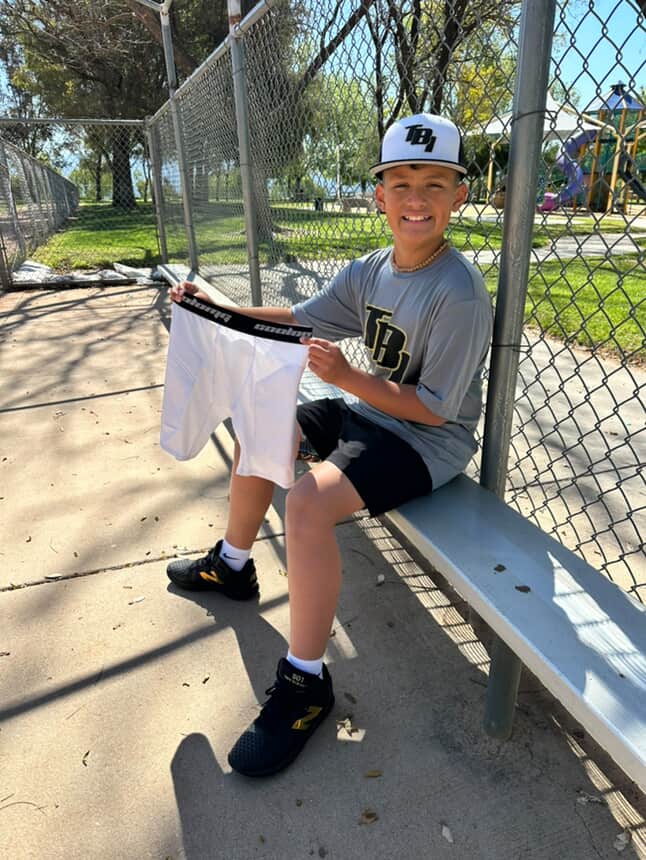 Impact Protection: Safeguarding Young Athletes
At the core of every pair of quality sliding shorts is the ability to protect young players from the impacts and abrasions associated with sliding into bases. This protection is crucial, especially for youth players who are still perfecting their sliding technique and may be more prone to injuries.
Modern sliding shorts incorporate advanced padding technologies to provide optimal protection. Many brands use high-density foam or gel inserts strategically placed around the hips, thighs, and tailbone areas - the parts most likely to make contact with the ground during a slide. For instance, the EvoShield Youth Sliding Shorts feature a proprietary Gel-to-Shell™ technology that hardens upon impact, offering superior protection without compromising mobility.
Some sliding shorts even extend protection to the inner thighs and groin area, providing comprehensive coverage for young players. The Easton Sliding Short Youth, for example, includes additional padding in these areas, offering extra protection against unexpected impacts or awkward slides.
Moisture-Wicking Fabric: Keeping Players Cool and Dry
Baseball is often played in warm weather conditions, making moisture management a critical feature of sliding shorts. High-quality sliding shorts for youth players are typically made from advanced moisture-wicking fabrics that draw sweat away from the skin and allow it to evaporate quickly.
These moisture-wicking properties serve multiple purposes. Firstly, they help keep young players cool and comfortable, even during intense gameplay or practice sessions. Secondly, by keeping the skin dry, they reduce the risk of chafing and skin irritation that can occur with prolonged moisture exposure. Lastly, dry skin is less likely to stick to the ground during a slide, potentially reducing the risk of abrasions.
Many top brands in the market, such as Under Armour and Nike, use proprietary moisture-wicking technologies in their youth sliding shorts. These advanced fabrics not only manage moisture effectively but also often incorporate antimicrobial properties to control odor, a feature particularly appreciated by parents of young athletes.
Flexibility and Comfort: Enhancing Performance
While protection is paramount, youth baseball sliding shorts must also allow for a full range of motion. Young players need to be able to run, jump, and slide without feeling restricted by their gear. This is where the flexibility and comfort features of modern sliding shorts come into play.
Many sliding shorts use a combination of stretchy fabrics and ergonomic designs to ensure maximum flexibility. For example, the Mizuno Youth Sliding Shorts incorporate a four-way stretch fabric that moves with the player, providing unrestricted movement in all directions. Some brands also use seamless construction techniques to reduce chafing and increase overall comfort.
Comfort is further enhanced by the use of breathable materials and ventilation zones in key areas. These features help regulate body temperature and improve air circulation, keeping young players comfortable throughout the game.
Proper Fit and Sizing: Ensuring Optimal Protection and Comfort
The effectiveness of sliding shorts in providing protection and comfort heavily depends on their fit. Ill-fitting shorts may shift during play, leaving vulnerable areas exposed, or may be so tight that they restrict movement and cause discomfort.
Most manufacturers offer sliding shorts in a range of youth sizes, typically based on waist measurements. It's crucial for parents and coaches to help young players select the right size. The shorts should fit snugly but not too tight, with the padding correctly positioned over the hips and thighs.
Some brands, like Franklin Sports, offer adjustable waistbands in their youth sliding shorts, allowing for a more customized fit and accommodating growth spurts. This feature can be particularly beneficial for young players, ensuring that the shorts continue to fit properly over time.
Choosing the Right Sliding Shorts
When selecting sliding shorts for youth baseball players, several factors should be considered:
Level of Protection: Consider the amount and placement of padding based on the player's position and sliding frequency.
Fabric Quality: Look for moisture-wicking and breathable materials for optimal comfort.
Flexibility: Ensure the shorts allow for a full range of motion.
Fit and Sizing: Choose shorts that fit well and have room for growth if possible.
Durability: Opt for well-constructed shorts that can withstand frequent use and washing.
Proper Care and Maintenance
To ensure the longevity and effectiveness of youth baseball sliding shorts, proper care is essential. Most sliding shorts can be machine washed, but it's important to follow the manufacturer's care instructions. Avoid using fabric softeners as they can degrade the moisture-wicking properties of the fabric. Air drying is often recommended to preserve the integrity of the padding and elastic components.
The Future of Youth Baseball Sliding Shorts
As technology continues to advance, we can expect to see further innovations in youth baseball sliding shorts. Future designs might incorporate smart fabrics that adapt to body temperature or provide real-time feedback on sliding technique. There's also a growing trend towards sustainability in sports equipment, which may lead to the development of eco-friendly materials for sliding shorts. youth baseball sliding shorts
Youth baseball sliding shorts are more than just a piece of equipment; they're an investment in a young player's safety, comfort, and performance on the field. By combining impact protection, moisture-wicking fabrics, flexibility, and proper fit, these specialized shorts allow young athletes to slide with confidence and focus on developing their skills.
Parents, coaches, and young players should prioritize selecting high-quality sliding shorts that meet all necessary safety standards and fit properly. With the right pair of sliding shorts, young baseball players can dive into the game with enthusiasm, knowing they're well-protected. After all, when young athletes feel safe and comfortable, they're free to enjoy the thrill of the game and create those unforgettable baseball moments that last a lifetime.
Impact Protection: Safeguarding Young Athletes
At the core of every pair of quality sliding shorts is the ability to protect young players from the impacts and abrasions associated with sliding into bases. This protection is crucial, especially for youth players who are still perfecting their sliding technique and may be more prone to injuries.
Modern sliding shorts incorporate advanced padding technologies to provide optimal protection. Many brands use high-density foam or gel inserts strategically placed around the hips, thighs, and tailbone areas - the parts most likely to make contact with the ground during a slide. For instance, the EvoShield Youth Sliding Shorts feature a proprietary Gel-to-Shell™ technology that hardens upon impact, offering superior protection without compromising mobility.
Some sliding shorts even extend protection to the inner thighs and groin area, providing comprehensive coverage for young players. The Easton Sliding Short Youth, for example, includes additional padding in these areas, offering extra protection against unexpected impacts or awkward slides.
Moisture-Wicking Fabric: Keeping Players Cool and Dry
Baseball is often played in warm weather conditions, making moisture management a critical feature of sliding shorts. High-quality sliding shorts for youth players are typically made from advanced moisture-wicking fabrics that draw sweat away from the skin and allow it to evaporate quickly.
These moisture-wicking properties serve multiple purposes. Firstly, they help keep young players cool and comfortable, even during intense gameplay or practice sessions. Secondly, by keeping the skin dry, they reduce the risk of chafing and skin irritation that can occur with prolonged moisture exposure. Lastly, dry skin is less likely to stick to the ground during a slide, potentially reducing the risk of abrasions.
Many top brands in the market, such as Under Armour and Nike, use proprietary moisture-wicking technologies in their youth sliding shorts. These advanced fabrics not only manage moisture effectively but also often incorporate antimicrobial properties to control odor, a feature particularly appreciated by parents of young athletes.
Flexibility and Comfort: Enhancing Performance
While protection is paramount, youth baseball sliding shorts must also allow for a full range of motion. Young players need to be able to run, jump, and slide without feeling restricted by their gear. This is where the flexibility and comfort features of modern sliding shorts come into play.
Many sliding shorts use a combination of stretchy fabrics and ergonomic designs to ensure maximum flexibility. For example, the Mizuno Youth Sliding Shorts incorporate a four-way stretch fabric that moves with the player, providing unrestricted movement in all directions. Some brands also use seamless construction techniques to reduce chafing and increase overall comfort.
Comfort is further enhanced by the use of breathable materials and ventilation zones in key areas. These features help regulate body temperature and improve air circulation, keeping young players comfortable throughout the game.
Proper Fit and Sizing: Ensuring Optimal Protection and Comfort
The effectiveness of sliding shorts in providing protection and comfort heavily depends on their fit. Ill-fitting shorts may shift during play, leaving vulnerable areas exposed, or may be so tight that they restrict movement and cause discomfort.
Most manufacturers offer sliding shorts in a range of youth sizes, typically based on waist measurements. It's crucial for parents and coaches to help young players select the right size. The shorts should fit snugly but not too tight, with the padding correctly positioned over the hips and thighs.
Some brands, like Franklin Sports, offer adjustable waistbands in their youth sliding shorts, allowing for a more customized fit and accommodating growth spurts. This feature can be particularly beneficial for young players, ensuring that the shorts continue to fit properly over time.
Choosing the Right Sliding Shorts
When selecting sliding shorts for youth baseball players, several factors should be considered:
Level of Protection: Consider the amount and placement of padding based on the player's position and sliding frequency.
Fabric Quality: Look for moisture-wicking and breathable materials for optimal comfort.
Flexibility: Ensure the shorts allow for a full range of motion.
Fit and Sizing: Choose shorts that fit well and have room for growth if possible.
Durability: Opt for well-constructed shorts that can withstand frequent use and washing.
Proper Care and Maintenance
To ensure the longevity and effectiveness of youth baseball sliding shorts, proper care is essential. Most sliding shorts can be machine washed, but it's important to follow the manufacturer's care instructions. Avoid using fabric softeners as they can degrade the moisture-wicking properties of the fabric. Air drying is often recommended to preserve the integrity of the padding and elastic components.
The Future of Youth Baseball Sliding Shorts
As technology continues to advance, we can expect to see further innovations in youth baseball sliding shorts. Future designs might incorporate smart fabrics that adapt to body temperature or provide real-time feedback on sliding technique. There's also a growing trend towards sustainability in sports equipment, which may lead to the development of eco-friendly materials for sliding shorts. youth baseball sliding shorts
Youth baseball sliding shorts are more than just a piece of equipment; they're an investment in a young player's safety, comfort, and performance on the field. By combining impact protection, moisture-wicking fabrics, flexibility, and proper fit, these specialized shorts allow young athletes to slide with confidence and focus on developing their skills.
Parents, coaches, and young players should prioritize selecting high-quality sliding shorts that meet all necessary safety standards and fit properly. With the right pair of sliding shorts, young baseball players can dive into the game with enthusiasm, knowing they're well-protected. After all, when young athletes feel safe and comfortable, they're free to enjoy the thrill of the game and create those unforgettable baseball moments that last a lifetime.
Impact Protection: Safeguarding Young Athletes
At the core of every pair of quality sliding shorts is the ability to protect young players from the impacts and abrasions associated with sliding into bases. This protection is crucial, especially for youth players who are still perfecting their sliding technique and may be more prone to injuries.
Modern sliding shorts incorporate advanced padding technologies to provide optimal protection. Many brands use high-density foam or gel inserts strategically placed around the hips, thighs, and tailbone areas - the parts most likely to make contact with the ground during a slide. For instance, the EvoShield Youth Sliding Shorts feature a proprietary Gel-to-Shell™ technology that hardens upon impact, offering superior protection without compromising mobility.
Some sliding shorts even extend protection to the inner thighs and groin area, providing comprehensive coverage for young players. The Easton Sliding Short Youth, for example, includes additional padding in these areas, offering extra protection against unexpected impacts or awkward slides.
Moisture-Wicking Fabric: Keeping Players Cool and Dry
Baseball is often played in warm weather conditions, making moisture management a critical feature of sliding shorts. High-quality sliding shorts for youth players are typically made from advanced moisture-wicking fabrics that draw sweat away from the skin and allow it to evaporate quickly.
These moisture-wicking properties serve multiple purposes. Firstly, they help keep young players cool and comfortable, even during intense gameplay or practice sessions. Secondly, by keeping the skin dry, they reduce the risk of chafing and skin irritation that can occur with prolonged moisture exposure. Lastly, dry skin is less likely to stick to the ground during a slide, potentially reducing the risk of abrasions.
Many top brands in the market, such as Under Armour and Nike, use proprietary moisture-wicking technologies in their youth sliding shorts. These advanced fabrics not only manage moisture effectively but also often incorporate antimicrobial properties to control odor, a feature particularly appreciated by parents of young athletes.
Flexibility and Comfort: Enhancing Performance
While protection is paramount, youth baseball sliding shorts must also allow for a full range of motion. Young players need to be able to run, jump, and slide without feeling restricted by their gear. This is where the flexibility and comfort features of modern sliding shorts come into play.
Many sliding shorts use a combination of stretchy fabrics and ergonomic designs to ensure maximum flexibility. For example, the Mizuno Youth Sliding Shorts incorporate a four-way stretch fabric that moves with the player, providing unrestricted movement in all directions. Some brands also use seamless construction techniques to reduce chafing and increase overall comfort.
Comfort is further enhanced by the use of breathable materials and ventilation zones in key areas. These features help regulate body temperature and improve air circulation, keeping young players comfortable throughout the game.
Proper Fit and Sizing: Ensuring Optimal Protection and Comfort
The effectiveness of sliding shorts in providing protection and comfort heavily depends on their fit. Ill-fitting shorts may shift during play, leaving vulnerable areas exposed, or may be so tight that they restrict movement and cause discomfort.
Most manufacturers offer sliding shorts in a range of youth sizes, typically based on waist measurements. It's crucial for parents and coaches to help young players select the right size. The shorts should fit snugly but not too tight, with the padding correctly positioned over the hips and thighs.
Some brands, like Franklin Sports, offer adjustable waistbands in their youth sliding shorts, allowing for a more customized fit and accommodating growth spurts. This feature can be particularly beneficial for young players, ensuring that the shorts continue to fit properly over time.
Choosing the Right Sliding Shorts
When selecting sliding shorts for youth baseball players, several factors should be considered:
Level of Protection: Consider the amount and placement of padding based on the player's position and sliding frequency.
Fabric Quality: Look for moisture-wicking and breathable materials for optimal comfort.
Flexibility: Ensure the shorts allow for a full range of motion.
Fit and Sizing: Choose shorts that fit well and have room for growth if possible.
Durability: Opt for well-constructed shorts that can withstand frequent use and washing.
Proper Care and Maintenance
To ensure the longevity and effectiveness of youth baseball sliding shorts, proper care is essential. Most sliding shorts can be machine washed, but it's important to follow the manufacturer's care instructions. Avoid using fabric softeners as they can degrade the moisture-wicking properties of the fabric. Air drying is often recommended to preserve the integrity of the padding and elastic components.
The Future of Youth Baseball Sliding Shorts
As technology continues to advance, we can expect to see further innovations in youth baseball sliding shorts. Future designs might incorporate smart fabrics that adapt to body temperature or provide real-time feedback on sliding technique. There's also a growing trend towards sustainability in sports equipment, which may lead to the development of eco-friendly materials for sliding shorts. youth baseball sliding shorts
Youth baseball sliding shorts are more than just a piece of equipment; they're an investment in a young player's safety, comfort, and performance on the field. By combining impact protection, moisture-wicking fabrics, flexibility, and proper fit, these specialized shorts allow young athletes to slide with confidence and focus on developing their skills.
Parents, coaches, and young players should prioritize selecting high-quality sliding shorts that meet all necessary safety standards and fit properly. With the right pair of sliding shorts, young baseball players can dive into the game with enthusiasm, knowing they're well-protected. After all, when young athletes feel safe and comfortable, they're free to enjoy the thrill of the game and create those unforgettable baseball moments that last a lifetime.The Game-Changing Impact of Football Arm Sleeves: Enhancing Performance, Protection, and Recovery on the Gridiron
In the high-stakes world of American football, where every advantage can mean the difference between victory and defeat, players are constantly seeking ways to improve their performance and protect their bodies. One piece of equipment that has gained significant popularity in recent years is the football arm sleeve. These seemingly simple accessories have become a staple for players across all positions, from quarterbacks to linemen, thanks to their multifaceted benefits. This article explores the game-changing impact of football arm sleeves, focusing on how they enhance performance, provide protection, and aid in recovery.
 At the heart of the football arm sleeve's effectiveness is compression technology. This innovative design applies gentle pressure to the muscles of the arm, which has a range of positive effects on the body. The compression provided by these sleeves helps to improve blood circulation, a crucial factor in athletic performance. Enhanced blood flow means that more oxygen-rich blood reaches the muscles, which can lead to increased endurance and reduced fatigue during grueling games and practices.
One of the primary reasons players don football arm sleeves is for muscle protection. The sport's physical nature means that players are constantly at risk of muscle strains and other soft tissue injuries. Arm sleeves act as a supportive barrier, helping to keep muscles in the correct position and preventing movements outside the normal range of motion. This is particularly beneficial during tackles and collisions, where arms can be twisted or stretched in unpredictable ways. By providing this extra layer of support, arm sleeves can significantly reduce the risk of muscle strains and other common football injuries.
Beyond injury prevention, football arm sleeves play a crucial role in performance enhancement. The compression technology helps to stabilize the arm muscles, which can lead to improved throwing accuracy for quarterbacks and better catching ability for receivers. The sleeves can also help maintain muscle temperature, which is essential for optimal performance, especially in colder weather conditions. Many players report feeling more confident and focused when wearing arm sleeves, which can translate to better on-field performance.
Recovery is another area where football arm sleeves shine. After intense games or training sessions, players often experience muscle soreness and fatigue. The compression provided by arm sleeves can help to reduce post-exercise swelling and accelerate the recovery process. By promoting better blood circulation, these sleeves help to flush out lactic acid and other metabolic waste products that contribute to muscle soreness. This means players can bounce back faster between games and maintain peak performance throughout the season.
It's not just about what happens during and after the game; football arm sleeves also offer protection from environmental factors. Many high-quality sleeves are designed with UV protection, shielding players' arms from harmful sun rays during outdoor practices and games. Additionally, arm sleeves can protect against turf burns and abrasions, which are common in football due to frequent contact with the playing surface.
The versatility of football arm sleeves is another factor contributing to their popularity. While basic models offer compression and protection, more advanced designs incorporate additional features. Some arm sleeves come with padding over the elbow and lower arm, providing extra protection for players in high-contact positions. Others are made with moisture-wicking materials that help keep players cool and dry during intense play.
As the technology behind football arm sleeves continues to evolve, so too does their impact on the game. Manufacturers are constantly innovating, developing new materials and designs to further enhance the benefits of these accessories. Some of the latest arm sleeves incorporate smart technology, allowing players and coaches to track muscle fatigue and performance metrics in real-time.
It's worth noting that while arm sleeves offer numerous benefits, they are not a one-size-fits-all solution. Players need to choose the right size and fit to maximize the benefits of compression technology. A sleeve that's too tight can restrict blood flow, while one that's too loose won't provide the necessary compression.
In conclusion, football arm sleeves have become much more than just a fashion statement on the gridiron. They represent a fusion of science and sports technology, offering tangible benefits in terms of performance enhancement, injury prevention, and recovery aid. As players at all levels of the game continue to seek ways to improve their performance and longevity, football arm sleeves stand out as a simple yet effective tool in their arsenal. Whether it's helping a quarterback throw with greater accuracy, protecting a receiver's arms as they dive for a catch, or aiding in the recovery of a lineman after a tough game, these sleeves have truly become a game-changing piece of equipment in the world of football.
At the heart of the football arm sleeve's effectiveness is compression technology. This innovative design applies gentle pressure to the muscles of the arm, which has a range of positive effects on the body. The compression provided by these sleeves helps to improve blood circulation, a crucial factor in athletic performance. Enhanced blood flow means that more oxygen-rich blood reaches the muscles, which can lead to increased endurance and reduced fatigue during grueling games and practices.
One of the primary reasons players don football arm sleeves is for muscle protection. The sport's physical nature means that players are constantly at risk of muscle strains and other soft tissue injuries. Arm sleeves act as a supportive barrier, helping to keep muscles in the correct position and preventing movements outside the normal range of motion. This is particularly beneficial during tackles and collisions, where arms can be twisted or stretched in unpredictable ways. By providing this extra layer of support, arm sleeves can significantly reduce the risk of muscle strains and other common football injuries.
Beyond injury prevention, football arm sleeves play a crucial role in performance enhancement. The compression technology helps to stabilize the arm muscles, which can lead to improved throwing accuracy for quarterbacks and better catching ability for receivers. The sleeves can also help maintain muscle temperature, which is essential for optimal performance, especially in colder weather conditions. Many players report feeling more confident and focused when wearing arm sleeves, which can translate to better on-field performance.
Recovery is another area where football arm sleeves shine. After intense games or training sessions, players often experience muscle soreness and fatigue. The compression provided by arm sleeves can help to reduce post-exercise swelling and accelerate the recovery process. By promoting better blood circulation, these sleeves help to flush out lactic acid and other metabolic waste products that contribute to muscle soreness. This means players can bounce back faster between games and maintain peak performance throughout the season.
It's not just about what happens during and after the game; football arm sleeves also offer protection from environmental factors. Many high-quality sleeves are designed with UV protection, shielding players' arms from harmful sun rays during outdoor practices and games. Additionally, arm sleeves can protect against turf burns and abrasions, which are common in football due to frequent contact with the playing surface.
The versatility of football arm sleeves is another factor contributing to their popularity. While basic models offer compression and protection, more advanced designs incorporate additional features. Some arm sleeves come with padding over the elbow and lower arm, providing extra protection for players in high-contact positions. Others are made with moisture-wicking materials that help keep players cool and dry during intense play.
As the technology behind football arm sleeves continues to evolve, so too does their impact on the game. Manufacturers are constantly innovating, developing new materials and designs to further enhance the benefits of these accessories. Some of the latest arm sleeves incorporate smart technology, allowing players and coaches to track muscle fatigue and performance metrics in real-time.
It's worth noting that while arm sleeves offer numerous benefits, they are not a one-size-fits-all solution. Players need to choose the right size and fit to maximize the benefits of compression technology. A sleeve that's too tight can restrict blood flow, while one that's too loose won't provide the necessary compression.
In conclusion, football arm sleeves have become much more than just a fashion statement on the gridiron. They represent a fusion of science and sports technology, offering tangible benefits in terms of performance enhancement, injury prevention, and recovery aid. As players at all levels of the game continue to seek ways to improve their performance and longevity, football arm sleeves stand out as a simple yet effective tool in their arsenal. Whether it's helping a quarterback throw with greater accuracy, protecting a receiver's arms as they dive for a catch, or aiding in the recovery of a lineman after a tough game, these sleeves have truly become a game-changing piece of equipment in the world of football.
At the heart of the football arm sleeve's effectiveness is compression technology. This innovative design applies gentle pressure to the muscles of the arm, which has a range of positive effects on the body. The compression provided by these sleeves helps to improve blood circulation, a crucial factor in athletic performance. Enhanced blood flow means that more oxygen-rich blood reaches the muscles, which can lead to increased endurance and reduced fatigue during grueling games and practices.
One of the primary reasons players don football arm sleeves is for muscle protection. The sport's physical nature means that players are constantly at risk of muscle strains and other soft tissue injuries. Arm sleeves act as a supportive barrier, helping to keep muscles in the correct position and preventing movements outside the normal range of motion. This is particularly beneficial during tackles and collisions, where arms can be twisted or stretched in unpredictable ways. By providing this extra layer of support, arm sleeves can significantly reduce the risk of muscle strains and other common football injuries.
Beyond injury prevention, football arm sleeves play a crucial role in performance enhancement. The compression technology helps to stabilize the arm muscles, which can lead to improved throwing accuracy for quarterbacks and better catching ability for receivers. The sleeves can also help maintain muscle temperature, which is essential for optimal performance, especially in colder weather conditions. Many players report feeling more confident and focused when wearing arm sleeves, which can translate to better on-field performance.
Recovery is another area where football arm sleeves shine. After intense games or training sessions, players often experience muscle soreness and fatigue. The compression provided by arm sleeves can help to reduce post-exercise swelling and accelerate the recovery process. By promoting better blood circulation, these sleeves help to flush out lactic acid and other metabolic waste products that contribute to muscle soreness. This means players can bounce back faster between games and maintain peak performance throughout the season.
It's not just about what happens during and after the game; football arm sleeves also offer protection from environmental factors. Many high-quality sleeves are designed with UV protection, shielding players' arms from harmful sun rays during outdoor practices and games. Additionally, arm sleeves can protect against turf burns and abrasions, which are common in football due to frequent contact with the playing surface.
The versatility of football arm sleeves is another factor contributing to their popularity. While basic models offer compression and protection, more advanced designs incorporate additional features. Some arm sleeves come with padding over the elbow and lower arm, providing extra protection for players in high-contact positions. Others are made with moisture-wicking materials that help keep players cool and dry during intense play.
As the technology behind football arm sleeves continues to evolve, so too does their impact on the game. Manufacturers are constantly innovating, developing new materials and designs to further enhance the benefits of these accessories. Some of the latest arm sleeves incorporate smart technology, allowing players and coaches to track muscle fatigue and performance metrics in real-time.
It's worth noting that while arm sleeves offer numerous benefits, they are not a one-size-fits-all solution. Players need to choose the right size and fit to maximize the benefits of compression technology. A sleeve that's too tight can restrict blood flow, while one that's too loose won't provide the necessary compression.
In conclusion, football arm sleeves have become much more than just a fashion statement on the gridiron. They represent a fusion of science and sports technology, offering tangible benefits in terms of performance enhancement, injury prevention, and recovery aid. As players at all levels of the game continue to seek ways to improve their performance and longevity, football arm sleeves stand out as a simple yet effective tool in their arsenal. Whether it's helping a quarterback throw with greater accuracy, protecting a receiver's arms as they dive for a catch, or aiding in the recovery of a lineman after a tough game, these sleeves have truly become a game-changing piece of equipment in the world of football.The Science Behind Impact-Absorbing Materials in Sports Protective Gear
In the world of sports, athlete safety is paramount. From football helmets to baseball chest protectors, protective gear plays a crucial role in preventing injuries and enhancing performance. The effectiveness of this equipment largely depends on the impact-absorbing materials used in their construction. This article delves into the science behind these materials, with a particular focus on the baseball chest protector as an exemplar of innovative protective technology.
 The Evolution of Impact-Absorbing Materials
The history of impact-absorbing materials in sports gear dates back to the early 20th century. Early baseball chest protectors were simple affairs, often made of leather or cloth padding. As our understanding of physics and material science advanced, so did the complexity and effectiveness of these protective devices.
Today's baseball chest protectors utilize a range of high-tech materials designed to dissipate impact forces and protect the wearer from injury. These materials are the result of decades of research and development in fields ranging from polymer science to biomechanics.
The Physics of Impact Absorption
To understand how modern baseball chest protectors work, it's essential to grasp the basic physics of impact. When a baseball strikes a player's chest, it transfers kinetic energy to the body. Without protection, this energy can cause bruising, internal injuries, or in severe cases, a condition known as commotio cordis – a potentially fatal disruption of the heart's rhythm.
Impact-absorbing materials in baseball chest protectors work by extending the duration of the impact, thereby reducing the peak force experienced by the body. They achieve this through various mechanisms:
Deformation: Materials like foam or gel deform upon impact, absorbing energy in the process.
Energy Dispersion: Some materials spread the force of impact over a larger area, reducing localized pressure.
Energy Conversion: Advanced materials can convert kinetic energy into other forms, such as heat or sound.
Key Materials in Modern Baseball Chest Protectors
Several cutting-edge materials are commonly used in contemporary baseball chest protectors:
Closed-Cell Foams: These lightweight materials contain tiny air pockets that compress upon impact, absorbing energy. They're often used in the outer layers of baseball chest protectors due to their excellent impact resistance and low weight.
Viscoelastic Foams: These "memory foams" slowly return to their original shape after deformation, providing excellent energy absorption over a range of impact velocities.
D3O: This "smart material" behaves like a fluid under normal conditions but stiffens instantly upon impact. It's increasingly used in high-end baseball chest protectors due to its superior protection-to-weight ratio.
Kevlar and Other High-Strength Fibers: While not impact-absorbing themselves, these materials are often used in conjunction with foam or gel to provide additional strength and prevent penetration.
Gel Inserts: Some baseball chest protectors incorporate gel pads, which can effectively absorb and distribute impact forces.
The Role of Design in Impact Absorption
While materials are crucial, the design of a baseball chest protector also plays a significant role in its protective capabilities. Modern protectors often feature:
Layered Construction: Different materials are combined in layers to optimize protection. For example, a baseball chest protector might have a hard outer shell, a layer of high-density foam, and an inner layer of soft, comfort-enhancing material.
Segmented Design: By dividing the protector into segments, designers can enhance flexibility while maintaining protection.
Anatomical Contouring: Modern baseball chest protectors are shaped to fit the body closely, ensuring consistent protection across the entire chest area.
Innovations in Baseball Chest Protector Technology
Recent years have seen several exciting developments in baseball chest protector technology:
Adaptive Protection: Some researchers are developing materials that can change their properties in response to different impact velocities, providing optimal protection in various scenarios.
Auxetic Materials: These novel materials actually become thicker when stretched, potentially offering superior impact protection.
Microlattice Structures: Inspired by the structure of bone, these ultra-lightweight materials could provide excellent impact absorption with minimal weight.
Smart Textiles: Some prototypes incorporate sensors that can measure the force of impacts and alert coaches or medical staff to potential injuries.
Testing and Standards
The effectiveness of baseball chest protectors is rigorously tested to ensure they meet safety standards. Organizations like NOCSAE (National Operating Committee on Standards for Athletic Equipment) in the United States set guidelines for impact resistance and other safety features.
Typical tests involve firing projectiles at the protector at various speeds and measuring the force transmitted through the material. These tests help ensure that baseball chest protectors can effectively protect against a range of potential impacts.
The Future of Impact-Absorbing Materials
As our understanding of impact mechanics and material science continues to advance, we can expect to see even more innovative materials in future baseball chest protectors. Areas of ongoing research include:
Nanomaterials: Materials engineered at the molecular level could provide unprecedented levels of protection.
Bioinspired Materials: Researchers are looking to nature for inspiration, studying structures like mollusk shells and spider silk for clues to create better impact-absorbing materials.
Active Protection Systems: Future baseball chest protectors might incorporate active elements that can predict and react to incoming impacts in real-time.
Conclusion
The science behind impact-absorbing materials in sports protective gear, exemplified by the baseball chest protector, is a fascinating blend of physics, materials science, and biomechanics. As technology continues to advance, we can look forward to even safer and more effective protective gear, allowing athletes to push their limits while minimizing the risk of injury. The humble baseball chest protector, once a simple padded vest, has evolved into a high-tech piece of equipment, showcasing the incredible progress in sports safety technology.
The Evolution of Impact-Absorbing Materials
The history of impact-absorbing materials in sports gear dates back to the early 20th century. Early baseball chest protectors were simple affairs, often made of leather or cloth padding. As our understanding of physics and material science advanced, so did the complexity and effectiveness of these protective devices.
Today's baseball chest protectors utilize a range of high-tech materials designed to dissipate impact forces and protect the wearer from injury. These materials are the result of decades of research and development in fields ranging from polymer science to biomechanics.
The Physics of Impact Absorption
To understand how modern baseball chest protectors work, it's essential to grasp the basic physics of impact. When a baseball strikes a player's chest, it transfers kinetic energy to the body. Without protection, this energy can cause bruising, internal injuries, or in severe cases, a condition known as commotio cordis – a potentially fatal disruption of the heart's rhythm.
Impact-absorbing materials in baseball chest protectors work by extending the duration of the impact, thereby reducing the peak force experienced by the body. They achieve this through various mechanisms:
Deformation: Materials like foam or gel deform upon impact, absorbing energy in the process.
Energy Dispersion: Some materials spread the force of impact over a larger area, reducing localized pressure.
Energy Conversion: Advanced materials can convert kinetic energy into other forms, such as heat or sound.
Key Materials in Modern Baseball Chest Protectors
Several cutting-edge materials are commonly used in contemporary baseball chest protectors:
Closed-Cell Foams: These lightweight materials contain tiny air pockets that compress upon impact, absorbing energy. They're often used in the outer layers of baseball chest protectors due to their excellent impact resistance and low weight.
Viscoelastic Foams: These "memory foams" slowly return to their original shape after deformation, providing excellent energy absorption over a range of impact velocities.
D3O: This "smart material" behaves like a fluid under normal conditions but stiffens instantly upon impact. It's increasingly used in high-end baseball chest protectors due to its superior protection-to-weight ratio.
Kevlar and Other High-Strength Fibers: While not impact-absorbing themselves, these materials are often used in conjunction with foam or gel to provide additional strength and prevent penetration.
Gel Inserts: Some baseball chest protectors incorporate gel pads, which can effectively absorb and distribute impact forces.
The Role of Design in Impact Absorption
While materials are crucial, the design of a baseball chest protector also plays a significant role in its protective capabilities. Modern protectors often feature:
Layered Construction: Different materials are combined in layers to optimize protection. For example, a baseball chest protector might have a hard outer shell, a layer of high-density foam, and an inner layer of soft, comfort-enhancing material.
Segmented Design: By dividing the protector into segments, designers can enhance flexibility while maintaining protection.
Anatomical Contouring: Modern baseball chest protectors are shaped to fit the body closely, ensuring consistent protection across the entire chest area.
Innovations in Baseball Chest Protector Technology
Recent years have seen several exciting developments in baseball chest protector technology:
Adaptive Protection: Some researchers are developing materials that can change their properties in response to different impact velocities, providing optimal protection in various scenarios.
Auxetic Materials: These novel materials actually become thicker when stretched, potentially offering superior impact protection.
Microlattice Structures: Inspired by the structure of bone, these ultra-lightweight materials could provide excellent impact absorption with minimal weight.
Smart Textiles: Some prototypes incorporate sensors that can measure the force of impacts and alert coaches or medical staff to potential injuries.
Testing and Standards
The effectiveness of baseball chest protectors is rigorously tested to ensure they meet safety standards. Organizations like NOCSAE (National Operating Committee on Standards for Athletic Equipment) in the United States set guidelines for impact resistance and other safety features.
Typical tests involve firing projectiles at the protector at various speeds and measuring the force transmitted through the material. These tests help ensure that baseball chest protectors can effectively protect against a range of potential impacts.
The Future of Impact-Absorbing Materials
As our understanding of impact mechanics and material science continues to advance, we can expect to see even more innovative materials in future baseball chest protectors. Areas of ongoing research include:
Nanomaterials: Materials engineered at the molecular level could provide unprecedented levels of protection.
Bioinspired Materials: Researchers are looking to nature for inspiration, studying structures like mollusk shells and spider silk for clues to create better impact-absorbing materials.
Active Protection Systems: Future baseball chest protectors might incorporate active elements that can predict and react to incoming impacts in real-time.
Conclusion
The science behind impact-absorbing materials in sports protective gear, exemplified by the baseball chest protector, is a fascinating blend of physics, materials science, and biomechanics. As technology continues to advance, we can look forward to even safer and more effective protective gear, allowing athletes to push their limits while minimizing the risk of injury. The humble baseball chest protector, once a simple padded vest, has evolved into a high-tech piece of equipment, showcasing the incredible progress in sports safety technology.
The Evolution of Impact-Absorbing Materials
The history of impact-absorbing materials in sports gear dates back to the early 20th century. Early baseball chest protectors were simple affairs, often made of leather or cloth padding. As our understanding of physics and material science advanced, so did the complexity and effectiveness of these protective devices.
Today's baseball chest protectors utilize a range of high-tech materials designed to dissipate impact forces and protect the wearer from injury. These materials are the result of decades of research and development in fields ranging from polymer science to biomechanics.
The Physics of Impact Absorption
To understand how modern baseball chest protectors work, it's essential to grasp the basic physics of impact. When a baseball strikes a player's chest, it transfers kinetic energy to the body. Without protection, this energy can cause bruising, internal injuries, or in severe cases, a condition known as commotio cordis – a potentially fatal disruption of the heart's rhythm.
Impact-absorbing materials in baseball chest protectors work by extending the duration of the impact, thereby reducing the peak force experienced by the body. They achieve this through various mechanisms:
Deformation: Materials like foam or gel deform upon impact, absorbing energy in the process.
Energy Dispersion: Some materials spread the force of impact over a larger area, reducing localized pressure.
Energy Conversion: Advanced materials can convert kinetic energy into other forms, such as heat or sound.
Key Materials in Modern Baseball Chest Protectors
Several cutting-edge materials are commonly used in contemporary baseball chest protectors:
Closed-Cell Foams: These lightweight materials contain tiny air pockets that compress upon impact, absorbing energy. They're often used in the outer layers of baseball chest protectors due to their excellent impact resistance and low weight.
Viscoelastic Foams: These "memory foams" slowly return to their original shape after deformation, providing excellent energy absorption over a range of impact velocities.
D3O: This "smart material" behaves like a fluid under normal conditions but stiffens instantly upon impact. It's increasingly used in high-end baseball chest protectors due to its superior protection-to-weight ratio.
Kevlar and Other High-Strength Fibers: While not impact-absorbing themselves, these materials are often used in conjunction with foam or gel to provide additional strength and prevent penetration.
Gel Inserts: Some baseball chest protectors incorporate gel pads, which can effectively absorb and distribute impact forces.
The Role of Design in Impact Absorption
While materials are crucial, the design of a baseball chest protector also plays a significant role in its protective capabilities. Modern protectors often feature:
Layered Construction: Different materials are combined in layers to optimize protection. For example, a baseball chest protector might have a hard outer shell, a layer of high-density foam, and an inner layer of soft, comfort-enhancing material.
Segmented Design: By dividing the protector into segments, designers can enhance flexibility while maintaining protection.
Anatomical Contouring: Modern baseball chest protectors are shaped to fit the body closely, ensuring consistent protection across the entire chest area.
Innovations in Baseball Chest Protector Technology
Recent years have seen several exciting developments in baseball chest protector technology:
Adaptive Protection: Some researchers are developing materials that can change their properties in response to different impact velocities, providing optimal protection in various scenarios.
Auxetic Materials: These novel materials actually become thicker when stretched, potentially offering superior impact protection.
Microlattice Structures: Inspired by the structure of bone, these ultra-lightweight materials could provide excellent impact absorption with minimal weight.
Smart Textiles: Some prototypes incorporate sensors that can measure the force of impacts and alert coaches or medical staff to potential injuries.
Testing and Standards
The effectiveness of baseball chest protectors is rigorously tested to ensure they meet safety standards. Organizations like NOCSAE (National Operating Committee on Standards for Athletic Equipment) in the United States set guidelines for impact resistance and other safety features.
Typical tests involve firing projectiles at the protector at various speeds and measuring the force transmitted through the material. These tests help ensure that baseball chest protectors can effectively protect against a range of potential impacts.
The Future of Impact-Absorbing Materials
As our understanding of impact mechanics and material science continues to advance, we can expect to see even more innovative materials in future baseball chest protectors. Areas of ongoing research include:
Nanomaterials: Materials engineered at the molecular level could provide unprecedented levels of protection.
Bioinspired Materials: Researchers are looking to nature for inspiration, studying structures like mollusk shells and spider silk for clues to create better impact-absorbing materials.
Active Protection Systems: Future baseball chest protectors might incorporate active elements that can predict and react to incoming impacts in real-time.
Conclusion
The science behind impact-absorbing materials in sports protective gear, exemplified by the baseball chest protector, is a fascinating blend of physics, materials science, and biomechanics. As technology continues to advance, we can look forward to even safer and more effective protective gear, allowing athletes to push their limits while minimizing the risk of injury. The humble baseball chest protector, once a simple padded vest, has evolved into a high-tech piece of equipment, showcasing the incredible progress in sports safety technology.The Evolution of Sports Protective Gear: From Leather to High-Tech
Throughout the history of sports, the evolution of protective gear has played a crucial role in enhancing athlete safety and performance. From the rudimentary leather equipment of the early-edge high-tech solutions, the journey of sports protective gear reflects not only technological advancements but also our growing understanding of sports-related injuries and how to prevent them. This article explores the fascinating evolution of sports protective gear, highlighting key milestones and innovations that have shaped the landscape Days: Leather and Basic Protection
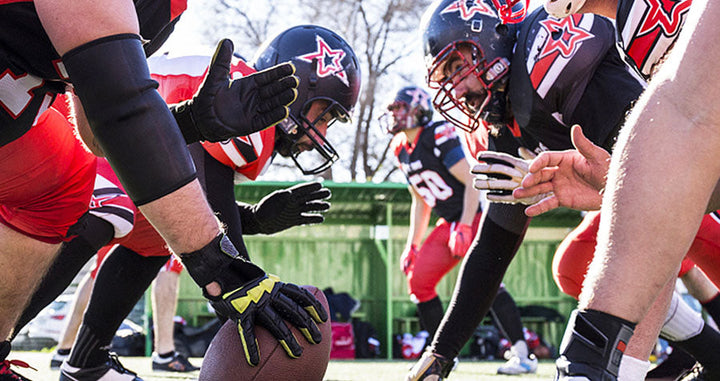 In the late sports, protective gear was minimal and often improvised. The late 19th and early 20th centuries saw the introduction of basic leather made from leather. Football players, for instance, wore simple leather helmets that provided minimal protection against head injuries. Similarly, early baseball catchers used rudimentary leather masks and chest protectors.
The primary focus during this era was on functionality rather than advanced protection. Leather, material of choice due to its durability and availability. However, these early forms of protection were far from adequate in preventing serious injuries.
Mid-20th Century: The Rise of Plastics and Standardization
The mid-20th century marked a significant turning point in the development of sports protective gear. The introduction of plastics and other synthetic materials revolutmaterials revolutionized the industry. Plastics offered several advantages over leather, including lighter they were lighter, more durable, and could be molded into various shapes to provide better protection.
In football, the transition from leather to plastic helmets in the 1940s was a game-changer. These new helmets offered improved impact resistance and could be customcover more of the head and face. Similarly, in hockey, players began wearing plastic helmets made from fiberglass and other synthetic materials, providing protection against high-speed pucks and collisions.
This period also saw the beginning of standardization in protective gear. Sports organizations started implementing regulations and standards for equipment, ensuring a baseline level of protection for all players.
Late 20th Century: Advanced Materials and Ergonomic Designs
As sports became more competitive and the understanding of sports-related injuries grew the focus shifted towards developing more sophisticated protective gear. The late 20th century saw the introduction of advanced materials like high-density foams, carbon fiber, and Kevlar in sports equipment.
Helmnotable innovation the most significant advancements was the development of energy-absorbing materials. These materials could dissipate the force of impacts, reducing the risk of concussions and other traumatic injuries. Helmets, in particular, benefited from these innovations, with multi-layered designs incorporating different materials for optimal protection.
Ergonomics also became a crucial consideration. Protective gear was no longer just about safety; it needed to enhance performance as well. This led to the development of more form-fitting gear that allowed for greater mobility while still providing adequate protection.
The 21st Century: High-Tech Solutions and Smart Gear
The dawn of the 21st century brought with it a new era of high-tech protective gear. The integration of technology into sports equipment has opened up unprecedented possibilities for athlete safety and performance monitoring.
One of the most notable innovations has been the development of smart helmets. These helmets are equipped with sensors that can detect and measure the force received during play. This technology allows coaches and medical staff to monitor potential concussions in real-time, enabling quicker responses to head injuries.
Coolomg, a leading manufacturer in the sports protective gear industry, has been at the forefront of developing innovative protective gear. Their line of smart compression wear, for instance, not only provides support and protection but also incorporates sensors to an athlete's vital signs and movement patterns. This data can be invaluable for optimizing training regimens and preventing injuries.
Nanotechnology has also made its way into sports protective gear. Materials engineered at the nanoscale can provide enhanced strength strength-to-weight ratios, allowing for gear that is both lighter and more protective. Coolomg's advanced protective padding, for example, utilizes nanocomposite materials that offer exceptional impact absorption while remaining flexible and comfortable.
The Rise of Customization and 3D Printing
Another significant trend in the evolution of sports protective gear is the move towards customization. With advancements in 3D scanning and printing technologies, it's now possible to create protective gear tailored to an individual athlete's body shape and specific needs.
This level of customization ensures a perfect fit, which is crucial for both comfort and effectiveness. Ill-fitting protective gear can be a hindonly uncomfortable but also potentially dangerous if it shifts during play. Custom-fitted mouthguards, for instance, provide superior protection against dental injuries compared to generic, off-all options.
3D printing also allows for rapid prototyping and testing of new designs. This has accelerated the pace of innovation in the industry, allowing companies to quickly iterate and improve their products based on real-world feedback and testing.
Focus on Specific Sports and Injury Prevention
As our understanding of sport-specific injuries has grown, so too has the specialization of protective gear. Different sports present different risks, and modern protective equipment is designed with these specific challenges in mind.
In cycling, for example, helmets have evolved to provide better aerodynamics without compromising on safety. Mountain biking helmets now often include additional coverage for the back of the head and reinforced areas to protect against impacts with trees or rocks.
For combat sports, advancements in protective gear have been crucial. Modern boxing gloves and MMA gear incorporate advanced foams and gel padding to reduce the risk of brain injuries from repeated impacts. Similarly, innovations in shin guards and other protective equipment have made martial arts training safer without hindering mobility.
The Future of Sports Protective Gear
Looking ahead, the future of sports protective gear promises to be even more exciting more exciting innovations. Researchers are exploring materials like non-Newtonian fluids, which remain flexible under normal conditions but instantly harden upon impact, providing superior protection against sudden forces.
Augmented reality (AR) is another technology that could revolutionize protective gear. AR-enabled visors or goggles could provide athletes with real-time information about their surroundings, potentially helping them avoid collisions or dangerous situations.
The integration of artificial intelligence (AI) into protective gear is also on the horizon. AI could analyze data from embedded sensors in real-time, predicting potential injuries before they occur and alerting athletes or coaches to take preventive action.
Conclusion
The evolution of sports protective gear from simple leather constructions to high-tech, smart equipment is a testament to human ingenuity and our commitment to athlete safety. As we've seen, this journey has been marked by significant milestones: the introduction of plastics, the development of advanced materials, the integration of electronic sensors, and now the dawn of AI and AR technologies.
Companies like Coolomg continue to push the boundaries of what's possible in sports protective gear, combining cutting-edge materials science with the latest in digital technology. As we look to the future, we can expect even more remarkable advancements that will not only protect athletes but also enhance their performance and our understanding of sports science.
The goal remains the same as it was when the first leather helmet was introduced: to keep athletes safe while allowing them to perform at their best. With each new innovation, we move closer to achieving that perfect balance of, ensuring that future generations of athletes can push their limits safely and confidently.
In the late sports, protective gear was minimal and often improvised. The late 19th and early 20th centuries saw the introduction of basic leather made from leather. Football players, for instance, wore simple leather helmets that provided minimal protection against head injuries. Similarly, early baseball catchers used rudimentary leather masks and chest protectors.
The primary focus during this era was on functionality rather than advanced protection. Leather, material of choice due to its durability and availability. However, these early forms of protection were far from adequate in preventing serious injuries.
Mid-20th Century: The Rise of Plastics and Standardization
The mid-20th century marked a significant turning point in the development of sports protective gear. The introduction of plastics and other synthetic materials revolutmaterials revolutionized the industry. Plastics offered several advantages over leather, including lighter they were lighter, more durable, and could be molded into various shapes to provide better protection.
In football, the transition from leather to plastic helmets in the 1940s was a game-changer. These new helmets offered improved impact resistance and could be customcover more of the head and face. Similarly, in hockey, players began wearing plastic helmets made from fiberglass and other synthetic materials, providing protection against high-speed pucks and collisions.
This period also saw the beginning of standardization in protective gear. Sports organizations started implementing regulations and standards for equipment, ensuring a baseline level of protection for all players.
Late 20th Century: Advanced Materials and Ergonomic Designs
As sports became more competitive and the understanding of sports-related injuries grew the focus shifted towards developing more sophisticated protective gear. The late 20th century saw the introduction of advanced materials like high-density foams, carbon fiber, and Kevlar in sports equipment.
Helmnotable innovation the most significant advancements was the development of energy-absorbing materials. These materials could dissipate the force of impacts, reducing the risk of concussions and other traumatic injuries. Helmets, in particular, benefited from these innovations, with multi-layered designs incorporating different materials for optimal protection.
Ergonomics also became a crucial consideration. Protective gear was no longer just about safety; it needed to enhance performance as well. This led to the development of more form-fitting gear that allowed for greater mobility while still providing adequate protection.
The 21st Century: High-Tech Solutions and Smart Gear
The dawn of the 21st century brought with it a new era of high-tech protective gear. The integration of technology into sports equipment has opened up unprecedented possibilities for athlete safety and performance monitoring.
One of the most notable innovations has been the development of smart helmets. These helmets are equipped with sensors that can detect and measure the force received during play. This technology allows coaches and medical staff to monitor potential concussions in real-time, enabling quicker responses to head injuries.
Coolomg, a leading manufacturer in the sports protective gear industry, has been at the forefront of developing innovative protective gear. Their line of smart compression wear, for instance, not only provides support and protection but also incorporates sensors to an athlete's vital signs and movement patterns. This data can be invaluable for optimizing training regimens and preventing injuries.
Nanotechnology has also made its way into sports protective gear. Materials engineered at the nanoscale can provide enhanced strength strength-to-weight ratios, allowing for gear that is both lighter and more protective. Coolomg's advanced protective padding, for example, utilizes nanocomposite materials that offer exceptional impact absorption while remaining flexible and comfortable.
The Rise of Customization and 3D Printing
Another significant trend in the evolution of sports protective gear is the move towards customization. With advancements in 3D scanning and printing technologies, it's now possible to create protective gear tailored to an individual athlete's body shape and specific needs.
This level of customization ensures a perfect fit, which is crucial for both comfort and effectiveness. Ill-fitting protective gear can be a hindonly uncomfortable but also potentially dangerous if it shifts during play. Custom-fitted mouthguards, for instance, provide superior protection against dental injuries compared to generic, off-all options.
3D printing also allows for rapid prototyping and testing of new designs. This has accelerated the pace of innovation in the industry, allowing companies to quickly iterate and improve their products based on real-world feedback and testing.
Focus on Specific Sports and Injury Prevention
As our understanding of sport-specific injuries has grown, so too has the specialization of protective gear. Different sports present different risks, and modern protective equipment is designed with these specific challenges in mind.
In cycling, for example, helmets have evolved to provide better aerodynamics without compromising on safety. Mountain biking helmets now often include additional coverage for the back of the head and reinforced areas to protect against impacts with trees or rocks.
For combat sports, advancements in protective gear have been crucial. Modern boxing gloves and MMA gear incorporate advanced foams and gel padding to reduce the risk of brain injuries from repeated impacts. Similarly, innovations in shin guards and other protective equipment have made martial arts training safer without hindering mobility.
The Future of Sports Protective Gear
Looking ahead, the future of sports protective gear promises to be even more exciting more exciting innovations. Researchers are exploring materials like non-Newtonian fluids, which remain flexible under normal conditions but instantly harden upon impact, providing superior protection against sudden forces.
Augmented reality (AR) is another technology that could revolutionize protective gear. AR-enabled visors or goggles could provide athletes with real-time information about their surroundings, potentially helping them avoid collisions or dangerous situations.
The integration of artificial intelligence (AI) into protective gear is also on the horizon. AI could analyze data from embedded sensors in real-time, predicting potential injuries before they occur and alerting athletes or coaches to take preventive action.
Conclusion
The evolution of sports protective gear from simple leather constructions to high-tech, smart equipment is a testament to human ingenuity and our commitment to athlete safety. As we've seen, this journey has been marked by significant milestones: the introduction of plastics, the development of advanced materials, the integration of electronic sensors, and now the dawn of AI and AR technologies.
Companies like Coolomg continue to push the boundaries of what's possible in sports protective gear, combining cutting-edge materials science with the latest in digital technology. As we look to the future, we can expect even more remarkable advancements that will not only protect athletes but also enhance their performance and our understanding of sports science.
The goal remains the same as it was when the first leather helmet was introduced: to keep athletes safe while allowing them to perform at their best. With each new innovation, we move closer to achieving that perfect balance of, ensuring that future generations of athletes can push their limits safely and confidently.
In the late sports, protective gear was minimal and often improvised. The late 19th and early 20th centuries saw the introduction of basic leather made from leather. Football players, for instance, wore simple leather helmets that provided minimal protection against head injuries. Similarly, early baseball catchers used rudimentary leather masks and chest protectors.
The primary focus during this era was on functionality rather than advanced protection. Leather, material of choice due to its durability and availability. However, these early forms of protection were far from adequate in preventing serious injuries.
Mid-20th Century: The Rise of Plastics and Standardization
The mid-20th century marked a significant turning point in the development of sports protective gear. The introduction of plastics and other synthetic materials revolutmaterials revolutionized the industry. Plastics offered several advantages over leather, including lighter they were lighter, more durable, and could be molded into various shapes to provide better protection.
In football, the transition from leather to plastic helmets in the 1940s was a game-changer. These new helmets offered improved impact resistance and could be customcover more of the head and face. Similarly, in hockey, players began wearing plastic helmets made from fiberglass and other synthetic materials, providing protection against high-speed pucks and collisions.
This period also saw the beginning of standardization in protective gear. Sports organizations started implementing regulations and standards for equipment, ensuring a baseline level of protection for all players.
Late 20th Century: Advanced Materials and Ergonomic Designs
As sports became more competitive and the understanding of sports-related injuries grew the focus shifted towards developing more sophisticated protective gear. The late 20th century saw the introduction of advanced materials like high-density foams, carbon fiber, and Kevlar in sports equipment.
Helmnotable innovation the most significant advancements was the development of energy-absorbing materials. These materials could dissipate the force of impacts, reducing the risk of concussions and other traumatic injuries. Helmets, in particular, benefited from these innovations, with multi-layered designs incorporating different materials for optimal protection.
Ergonomics also became a crucial consideration. Protective gear was no longer just about safety; it needed to enhance performance as well. This led to the development of more form-fitting gear that allowed for greater mobility while still providing adequate protection.
The 21st Century: High-Tech Solutions and Smart Gear
The dawn of the 21st century brought with it a new era of high-tech protective gear. The integration of technology into sports equipment has opened up unprecedented possibilities for athlete safety and performance monitoring.
One of the most notable innovations has been the development of smart helmets. These helmets are equipped with sensors that can detect and measure the force received during play. This technology allows coaches and medical staff to monitor potential concussions in real-time, enabling quicker responses to head injuries.
Coolomg, a leading manufacturer in the sports protective gear industry, has been at the forefront of developing innovative protective gear. Their line of smart compression wear, for instance, not only provides support and protection but also incorporates sensors to an athlete's vital signs and movement patterns. This data can be invaluable for optimizing training regimens and preventing injuries.
Nanotechnology has also made its way into sports protective gear. Materials engineered at the nanoscale can provide enhanced strength strength-to-weight ratios, allowing for gear that is both lighter and more protective. Coolomg's advanced protective padding, for example, utilizes nanocomposite materials that offer exceptional impact absorption while remaining flexible and comfortable.
The Rise of Customization and 3D Printing
Another significant trend in the evolution of sports protective gear is the move towards customization. With advancements in 3D scanning and printing technologies, it's now possible to create protective gear tailored to an individual athlete's body shape and specific needs.
This level of customization ensures a perfect fit, which is crucial for both comfort and effectiveness. Ill-fitting protective gear can be a hindonly uncomfortable but also potentially dangerous if it shifts during play. Custom-fitted mouthguards, for instance, provide superior protection against dental injuries compared to generic, off-all options.
3D printing also allows for rapid prototyping and testing of new designs. This has accelerated the pace of innovation in the industry, allowing companies to quickly iterate and improve their products based on real-world feedback and testing.
Focus on Specific Sports and Injury Prevention
As our understanding of sport-specific injuries has grown, so too has the specialization of protective gear. Different sports present different risks, and modern protective equipment is designed with these specific challenges in mind.
In cycling, for example, helmets have evolved to provide better aerodynamics without compromising on safety. Mountain biking helmets now often include additional coverage for the back of the head and reinforced areas to protect against impacts with trees or rocks.
For combat sports, advancements in protective gear have been crucial. Modern boxing gloves and MMA gear incorporate advanced foams and gel padding to reduce the risk of brain injuries from repeated impacts. Similarly, innovations in shin guards and other protective equipment have made martial arts training safer without hindering mobility.
The Future of Sports Protective Gear
Looking ahead, the future of sports protective gear promises to be even more exciting more exciting innovations. Researchers are exploring materials like non-Newtonian fluids, which remain flexible under normal conditions but instantly harden upon impact, providing superior protection against sudden forces.
Augmented reality (AR) is another technology that could revolutionize protective gear. AR-enabled visors or goggles could provide athletes with real-time information about their surroundings, potentially helping them avoid collisions or dangerous situations.
The integration of artificial intelligence (AI) into protective gear is also on the horizon. AI could analyze data from embedded sensors in real-time, predicting potential injuries before they occur and alerting athletes or coaches to take preventive action.
Conclusion
The evolution of sports protective gear from simple leather constructions to high-tech, smart equipment is a testament to human ingenuity and our commitment to athlete safety. As we've seen, this journey has been marked by significant milestones: the introduction of plastics, the development of advanced materials, the integration of electronic sensors, and now the dawn of AI and AR technologies.
Companies like Coolomg continue to push the boundaries of what's possible in sports protective gear, combining cutting-edge materials science with the latest in digital technology. As we look to the future, we can expect even more remarkable advancements that will not only protect athletes but also enhance their performance and our understanding of sports science.
The goal remains the same as it was when the first leather helmet was introduced: to keep athletes safe while allowing them to perform at their best. With each new innovation, we move closer to achieving that perfect balance of, ensuring that future generations of athletes can push their limits safely and confidently.The Pitcher's Arsenal: Arm Care Techniques and Protective Equipment
Baseball, America's favorite pastime, is a sport that demands precision, power, and endurance from its players. Among all positions on the field, pitchers face unique challenges that put tremendous stress on their arms. The repeated high-velocity throws can lead to fatigue, pain, and even career-threatening injuries. To combat these risks and enhance performance, pitchers have increasingly turned to various arm care techniques and protective equipment. In this comprehensive guide, we'll explore the world of arm care for pitchers, with a special focus on one of the most popular and effective tools in their arsenal: baseball arm sleeves.
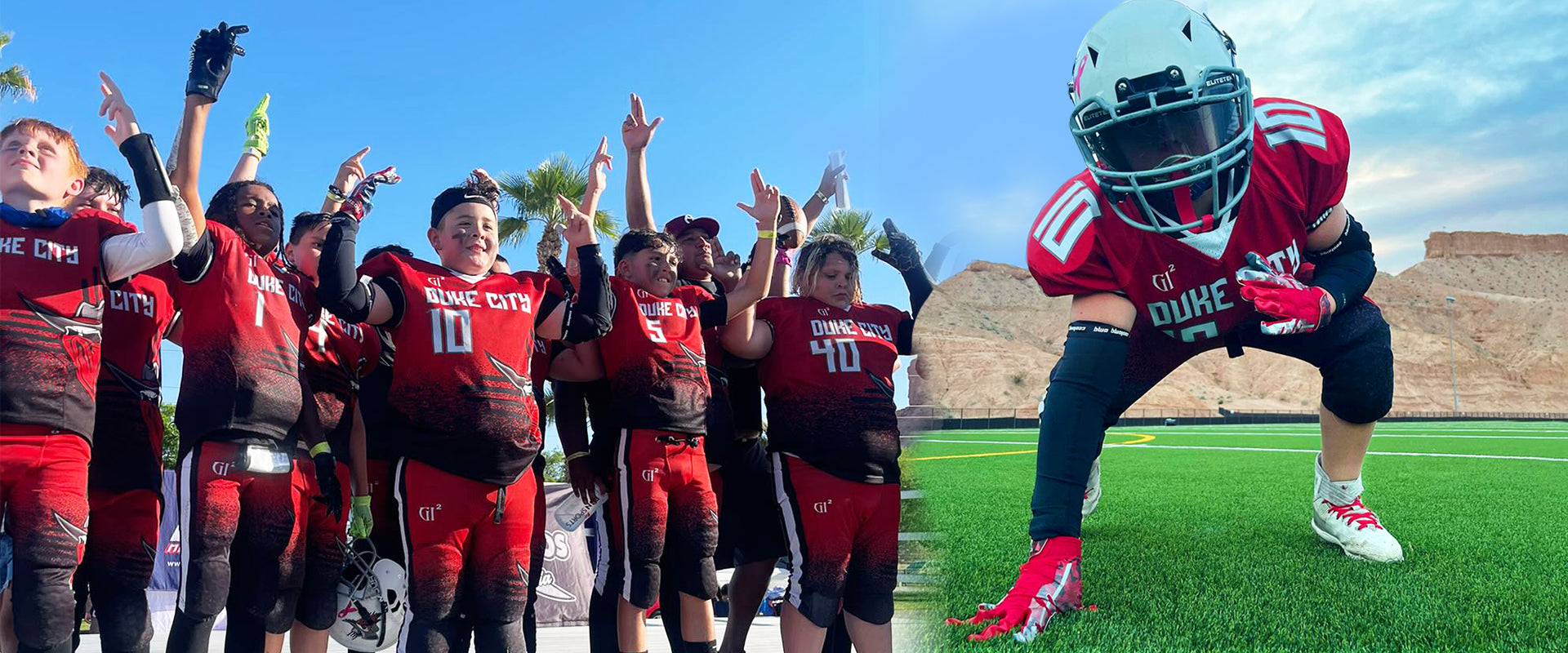 The Importance of Arm Care for Pitchers
Before delving into the specifics of arm sleeves, it's crucial to understand why arm care is so vital for pitchers. The pitching motion is an unnatural movement that places extreme stress on the shoulder, elbow, and surrounding muscles. Over time, this can lead to various issues, including:
Rotator cuff injuries
Ulnar collateral ligament (UCL) damage
Tendinitis
Muscle strains and fatigue
Proper arm care techniques and protective equipment can help mitigate these risks, allowing pitchers to maintain their performance and extend their careers.
Arm Care Techniques for Pitchers
Proper Warm-up and Cool-down Routines Implementing a thorough warm-up routine before pitching and a cool-down routine afterward is essential. This helps prepare the muscles for the stress of pitching and aids in recovery.
Strength and Conditioning Exercises Building strength in the shoulder, rotator cuff, and core muscles can help support the arm during pitching. Exercises such as external rotations, scapular stabilization, and planks are often recommended.
Proper Mechanics Working with coaches to ensure proper pitching mechanics can significantly reduce the risk of injury. This includes focusing on elements like stride length, arm angle, and follow-through.
Rest and Recovery Adequate rest between pitching sessions is crucial for arm health. This includes both physical rest and active recovery techniques like light throwing or arm exercises.
Nutrition and Hydration Proper nutrition and hydration play a vital role in muscle recovery and overall arm health.
The Rise of Baseball Arm Sleeves
In recent years, baseball arm sleeves have become an increasingly popular tool for pitchers at all levels of the game. These sleeves, which extend from the wrist to the upper arm, offer a range of benefits that contribute to both performance enhancement and injury prevention.
Benefits of Baseball Arm Sleeves
Improved Blood Circulation One of the primary benefits of arm sleeves is their ability to enhance blood circulation. The compression provided by the sleeve helps increase blood flow to the muscles, which can lead to several positive outcomes:
Reduced muscle fatigue during pitching
Faster recovery between innings and games
Decreased risk of arm soreness and inflammation
Temperature Regulation Arm sleeves play a crucial role in maintaining optimal arm temperature, which is essential for muscle performance and injury prevention:
In cold weather, sleeves help keep the arm warm, preventing muscles from becoming cold and stiff.
During hot weather, moisture-wicking materials in high-quality sleeves can help dissipate heat and keep the arm cool.
Muscle Support and Stabilization The compression provided by arm sleeves offers support to the muscles and tendons in the arm:
This can help reduce muscle vibration during the pitching motion, potentially decreasing fatigue and the risk of micro-injuries.
The added support may also contribute to improved proprioception, or awareness of arm position, which can aid in maintaining proper mechanics.
Protection from Environmental Factors Arm sleeves provide a barrier against various environmental elements:
UV Protection: Many sleeves offer UPF 50+ sun protection, shielding the arm from harmful UV rays during long games or practices.
Abrasion Protection: Sleeves can protect the skin from scrapes and cuts, particularly useful when diving for balls or sliding.
Potential Performance Enhancement While not directly increasing a pitcher's velocity or accuracy, arm sleeves can contribute to performance in several ways:
By reducing fatigue and soreness, pitchers may be able to maintain their performance levels for longer periods.
The psychological boost of feeling supported and protected can increase a pitcher's confidence on the mound.
Choosing the Right Arm Sleeve
When selecting an arm sleeve, pitchers should consider several factors:
Material Look for sleeves made from high-quality, moisture-wicking fabrics. Materials like nylon, spandex, or polyester blends are popular choices. These materials offer the right balance of compression, breathability, and durability.
Compression Level The level of compression can vary between products. Some pitchers prefer a tighter fit for maximum support, while others opt for a more relaxed feel. It's often a matter of personal preference and comfort.
Size and Fit Proper sizing is crucial for optimal performance. A sleeve that's too tight can restrict movement, while one that's too loose won't provide adequate compression. Most manufacturers offer sizing charts based on arm measurements.
Additional Features Some sleeves come with extra features like:
Targeted compression zones for specific muscle groups
Anti-slip bands to keep the sleeve in place
Antimicrobial properties to reduce odor
Color and Design While performance should be the primary consideration, many pitchers also consider the aesthetic aspect. Some leagues have rules regarding the color of arm sleeves, particularly for pitchers, so it's important to check local regulations.
Using Arm Sleeves Effectively
To maximize the benefits of arm sleeves, pitchers should:
Wear the sleeve during both games and practice sessions to maintain consistency.
Consider wearing the sleeve between innings to maintain muscle warmth.
Use the sleeve as part of a comprehensive arm care routine, not as a substitute for proper warm-up, cool-down, and recovery practices.
Replace the sleeve regularly, as the compression and protective properties can diminish over time with repeated use and washing.
The Future of Arm Care Technology
As sports science continues to advance, we can expect to see further innovations in arm care technology for pitchers. Some emerging trends include:
Smart Sleeves: Integration of sensors to track arm speed, stress, and fatigue levels in real-time.
Custom-fit Sleeves: 3D-printed or custom-molded sleeves designed to fit an individual pitcher's arm perfectly.
Advanced Materials: Development of new fabrics that offer even better compression, temperature regulation, and protective properties.
Conclusion
Arm care is a critical aspect of a pitcher's routine, essential for both performance enhancement and injury prevention. Baseball arm sleeves have emerged as a valuable tool in this regard, offering a range of benefits from improved circulation to muscle support and environmental protection. When used as part of a comprehensive arm care strategy that includes proper training, mechanics, and recovery techniques, arm sleeves can help pitchers maintain their health and performance over the long term.
As with any piece of equipment or training technique, it's important for pitchers to consult with their coaches, trainers, or medical professionals to determine the best approach for their individual needs. By embracing these advanced arm care techniques and protective equipment, pitchers can work towards achieving their full potential on the mound while safeguarding their arm health for years to come.
The Importance of Arm Care for Pitchers
Before delving into the specifics of arm sleeves, it's crucial to understand why arm care is so vital for pitchers. The pitching motion is an unnatural movement that places extreme stress on the shoulder, elbow, and surrounding muscles. Over time, this can lead to various issues, including:
Rotator cuff injuries
Ulnar collateral ligament (UCL) damage
Tendinitis
Muscle strains and fatigue
Proper arm care techniques and protective equipment can help mitigate these risks, allowing pitchers to maintain their performance and extend their careers.
Arm Care Techniques for Pitchers
Proper Warm-up and Cool-down Routines Implementing a thorough warm-up routine before pitching and a cool-down routine afterward is essential. This helps prepare the muscles for the stress of pitching and aids in recovery.
Strength and Conditioning Exercises Building strength in the shoulder, rotator cuff, and core muscles can help support the arm during pitching. Exercises such as external rotations, scapular stabilization, and planks are often recommended.
Proper Mechanics Working with coaches to ensure proper pitching mechanics can significantly reduce the risk of injury. This includes focusing on elements like stride length, arm angle, and follow-through.
Rest and Recovery Adequate rest between pitching sessions is crucial for arm health. This includes both physical rest and active recovery techniques like light throwing or arm exercises.
Nutrition and Hydration Proper nutrition and hydration play a vital role in muscle recovery and overall arm health.
The Rise of Baseball Arm Sleeves
In recent years, baseball arm sleeves have become an increasingly popular tool for pitchers at all levels of the game. These sleeves, which extend from the wrist to the upper arm, offer a range of benefits that contribute to both performance enhancement and injury prevention.
Benefits of Baseball Arm Sleeves
Improved Blood Circulation One of the primary benefits of arm sleeves is their ability to enhance blood circulation. The compression provided by the sleeve helps increase blood flow to the muscles, which can lead to several positive outcomes:
Reduced muscle fatigue during pitching
Faster recovery between innings and games
Decreased risk of arm soreness and inflammation
Temperature Regulation Arm sleeves play a crucial role in maintaining optimal arm temperature, which is essential for muscle performance and injury prevention:
In cold weather, sleeves help keep the arm warm, preventing muscles from becoming cold and stiff.
During hot weather, moisture-wicking materials in high-quality sleeves can help dissipate heat and keep the arm cool.
Muscle Support and Stabilization The compression provided by arm sleeves offers support to the muscles and tendons in the arm:
This can help reduce muscle vibration during the pitching motion, potentially decreasing fatigue and the risk of micro-injuries.
The added support may also contribute to improved proprioception, or awareness of arm position, which can aid in maintaining proper mechanics.
Protection from Environmental Factors Arm sleeves provide a barrier against various environmental elements:
UV Protection: Many sleeves offer UPF 50+ sun protection, shielding the arm from harmful UV rays during long games or practices.
Abrasion Protection: Sleeves can protect the skin from scrapes and cuts, particularly useful when diving for balls or sliding.
Potential Performance Enhancement While not directly increasing a pitcher's velocity or accuracy, arm sleeves can contribute to performance in several ways:
By reducing fatigue and soreness, pitchers may be able to maintain their performance levels for longer periods.
The psychological boost of feeling supported and protected can increase a pitcher's confidence on the mound.
Choosing the Right Arm Sleeve
When selecting an arm sleeve, pitchers should consider several factors:
Material Look for sleeves made from high-quality, moisture-wicking fabrics. Materials like nylon, spandex, or polyester blends are popular choices. These materials offer the right balance of compression, breathability, and durability.
Compression Level The level of compression can vary between products. Some pitchers prefer a tighter fit for maximum support, while others opt for a more relaxed feel. It's often a matter of personal preference and comfort.
Size and Fit Proper sizing is crucial for optimal performance. A sleeve that's too tight can restrict movement, while one that's too loose won't provide adequate compression. Most manufacturers offer sizing charts based on arm measurements.
Additional Features Some sleeves come with extra features like:
Targeted compression zones for specific muscle groups
Anti-slip bands to keep the sleeve in place
Antimicrobial properties to reduce odor
Color and Design While performance should be the primary consideration, many pitchers also consider the aesthetic aspect. Some leagues have rules regarding the color of arm sleeves, particularly for pitchers, so it's important to check local regulations.
Using Arm Sleeves Effectively
To maximize the benefits of arm sleeves, pitchers should:
Wear the sleeve during both games and practice sessions to maintain consistency.
Consider wearing the sleeve between innings to maintain muscle warmth.
Use the sleeve as part of a comprehensive arm care routine, not as a substitute for proper warm-up, cool-down, and recovery practices.
Replace the sleeve regularly, as the compression and protective properties can diminish over time with repeated use and washing.
The Future of Arm Care Technology
As sports science continues to advance, we can expect to see further innovations in arm care technology for pitchers. Some emerging trends include:
Smart Sleeves: Integration of sensors to track arm speed, stress, and fatigue levels in real-time.
Custom-fit Sleeves: 3D-printed or custom-molded sleeves designed to fit an individual pitcher's arm perfectly.
Advanced Materials: Development of new fabrics that offer even better compression, temperature regulation, and protective properties.
Conclusion
Arm care is a critical aspect of a pitcher's routine, essential for both performance enhancement and injury prevention. Baseball arm sleeves have emerged as a valuable tool in this regard, offering a range of benefits from improved circulation to muscle support and environmental protection. When used as part of a comprehensive arm care strategy that includes proper training, mechanics, and recovery techniques, arm sleeves can help pitchers maintain their health and performance over the long term.
As with any piece of equipment or training technique, it's important for pitchers to consult with their coaches, trainers, or medical professionals to determine the best approach for their individual needs. By embracing these advanced arm care techniques and protective equipment, pitchers can work towards achieving their full potential on the mound while safeguarding their arm health for years to come.
The Importance of Arm Care for Pitchers
Before delving into the specifics of arm sleeves, it's crucial to understand why arm care is so vital for pitchers. The pitching motion is an unnatural movement that places extreme stress on the shoulder, elbow, and surrounding muscles. Over time, this can lead to various issues, including:
Rotator cuff injuries
Ulnar collateral ligament (UCL) damage
Tendinitis
Muscle strains and fatigue
Proper arm care techniques and protective equipment can help mitigate these risks, allowing pitchers to maintain their performance and extend their careers.
Arm Care Techniques for Pitchers
Proper Warm-up and Cool-down Routines Implementing a thorough warm-up routine before pitching and a cool-down routine afterward is essential. This helps prepare the muscles for the stress of pitching and aids in recovery.
Strength and Conditioning Exercises Building strength in the shoulder, rotator cuff, and core muscles can help support the arm during pitching. Exercises such as external rotations, scapular stabilization, and planks are often recommended.
Proper Mechanics Working with coaches to ensure proper pitching mechanics can significantly reduce the risk of injury. This includes focusing on elements like stride length, arm angle, and follow-through.
Rest and Recovery Adequate rest between pitching sessions is crucial for arm health. This includes both physical rest and active recovery techniques like light throwing or arm exercises.
Nutrition and Hydration Proper nutrition and hydration play a vital role in muscle recovery and overall arm health.
The Rise of Baseball Arm Sleeves
In recent years, baseball arm sleeves have become an increasingly popular tool for pitchers at all levels of the game. These sleeves, which extend from the wrist to the upper arm, offer a range of benefits that contribute to both performance enhancement and injury prevention.
Benefits of Baseball Arm Sleeves
Improved Blood Circulation One of the primary benefits of arm sleeves is their ability to enhance blood circulation. The compression provided by the sleeve helps increase blood flow to the muscles, which can lead to several positive outcomes:
Reduced muscle fatigue during pitching
Faster recovery between innings and games
Decreased risk of arm soreness and inflammation
Temperature Regulation Arm sleeves play a crucial role in maintaining optimal arm temperature, which is essential for muscle performance and injury prevention:
In cold weather, sleeves help keep the arm warm, preventing muscles from becoming cold and stiff.
During hot weather, moisture-wicking materials in high-quality sleeves can help dissipate heat and keep the arm cool.
Muscle Support and Stabilization The compression provided by arm sleeves offers support to the muscles and tendons in the arm:
This can help reduce muscle vibration during the pitching motion, potentially decreasing fatigue and the risk of micro-injuries.
The added support may also contribute to improved proprioception, or awareness of arm position, which can aid in maintaining proper mechanics.
Protection from Environmental Factors Arm sleeves provide a barrier against various environmental elements:
UV Protection: Many sleeves offer UPF 50+ sun protection, shielding the arm from harmful UV rays during long games or practices.
Abrasion Protection: Sleeves can protect the skin from scrapes and cuts, particularly useful when diving for balls or sliding.
Potential Performance Enhancement While not directly increasing a pitcher's velocity or accuracy, arm sleeves can contribute to performance in several ways:
By reducing fatigue and soreness, pitchers may be able to maintain their performance levels for longer periods.
The psychological boost of feeling supported and protected can increase a pitcher's confidence on the mound.
Choosing the Right Arm Sleeve
When selecting an arm sleeve, pitchers should consider several factors:
Material Look for sleeves made from high-quality, moisture-wicking fabrics. Materials like nylon, spandex, or polyester blends are popular choices. These materials offer the right balance of compression, breathability, and durability.
Compression Level The level of compression can vary between products. Some pitchers prefer a tighter fit for maximum support, while others opt for a more relaxed feel. It's often a matter of personal preference and comfort.
Size and Fit Proper sizing is crucial for optimal performance. A sleeve that's too tight can restrict movement, while one that's too loose won't provide adequate compression. Most manufacturers offer sizing charts based on arm measurements.
Additional Features Some sleeves come with extra features like:
Targeted compression zones for specific muscle groups
Anti-slip bands to keep the sleeve in place
Antimicrobial properties to reduce odor
Color and Design While performance should be the primary consideration, many pitchers also consider the aesthetic aspect. Some leagues have rules regarding the color of arm sleeves, particularly for pitchers, so it's important to check local regulations.
Using Arm Sleeves Effectively
To maximize the benefits of arm sleeves, pitchers should:
Wear the sleeve during both games and practice sessions to maintain consistency.
Consider wearing the sleeve between innings to maintain muscle warmth.
Use the sleeve as part of a comprehensive arm care routine, not as a substitute for proper warm-up, cool-down, and recovery practices.
Replace the sleeve regularly, as the compression and protective properties can diminish over time with repeated use and washing.
The Future of Arm Care Technology
As sports science continues to advance, we can expect to see further innovations in arm care technology for pitchers. Some emerging trends include:
Smart Sleeves: Integration of sensors to track arm speed, stress, and fatigue levels in real-time.
Custom-fit Sleeves: 3D-printed or custom-molded sleeves designed to fit an individual pitcher's arm perfectly.
Advanced Materials: Development of new fabrics that offer even better compression, temperature regulation, and protective properties.
Conclusion
Arm care is a critical aspect of a pitcher's routine, essential for both performance enhancement and injury prevention. Baseball arm sleeves have emerged as a valuable tool in this regard, offering a range of benefits from improved circulation to muscle support and environmental protection. When used as part of a comprehensive arm care strategy that includes proper training, mechanics, and recovery techniques, arm sleeves can help pitchers maintain their health and performance over the long term.
As with any piece of equipment or training technique, it's important for pitchers to consult with their coaches, trainers, or medical professionals to determine the best approach for their individual needs. By embracing these advanced arm care techniques and protective equipment, pitchers can work towards achieving their full potential on the mound while safeguarding their arm health for years to come.How Padded Arm Sleeves Can Improve Your Athletic Performance
In the world of sports and athletics, every advantage counts. Athletes are constantly seeking ways to enhance their performance, reduce injury risk, and gain a competitive edge. One piece of equipment that has been gaining significant attention in recent years is the padded arm sleeve. These innovative sleeves offer a unique combination of muscle support, impact protection, and comfort that can contribute to improved athletic performance across various sports. This article explores how padded arm sleeves can elevate your game and why they're becoming an essential part of many athletes' gear.
Padded arm sleeves are compression sleeves with strategically placed padding, typically covering the area from the wrist to the upper arm. Unlike traditional arm sleeves, these padded versions offer an extra layer of protection without sacrificing flexibility or comfort. The padding is usually made from materials like foam or gel, designed to absorb and disperse impact forces.
One of the primary ways padded arm sleeves can improve athletic performance is through enhanced muscle support. The compression element of these sleeves applies gentle pressure to the muscles of the arm, which can lead to several benefits:
Improved Blood Circulation: The compression helps increase blood flow to the muscles, potentially reducing fatigue and enhancing endurance. This improved circulation can be particularly beneficial during long training sessions or competitions.
Reduced Muscle Oscillation: By compressing the muscles, these sleeves minimize muscle vibration during high-impact activities. This reduction in oscillation can lead to decreased muscle fatigue and potentially improved power output.
Enhanced Proprioception: The snug fit of padded sleeves can increase an athlete's awareness of their arm position and movement, potentially leading to improved technique and performance in sports requiring precise arm control.
Beyond muscle support, the padding in these sleeves provides crucial impact protection, which can indirectly boost performance in several ways:
Injury Prevention: By absorbing and dispersing impact forces, padded sleeves can reduce the risk of contusions, abrasions, and other minor injuries. This protection allows athletes to train and compete with greater confidence and intensity.
Reduced Recovery Time: The padding can minimize muscle damage from impacts, potentially leading to quicker recovery between training sessions or competitions. This faster recovery can translate to more consistent performance over time.
Psychological Confidence: Knowing they have an extra layer of protection can give athletes the confidence to push their limits without fear of injury, potentially leading to improved performance.
The thermal regulation properties of padded arm sleeves can also contribute to enhanced athletic performance:
Temperature Management: Many padded sleeves are designed with moisture-wicking materials that help regulate arm temperature. This can be particularly beneficial in outdoor sports where environmental conditions can vary.
Muscle Warmth: By maintaining muscle warmth, these sleeves can help athletes stay ready for action, even during breaks in play or in cooler conditions.
Another aspect where padded arm sleeves can improve performance is in sports requiring repeated arm movements, such as basketball, volleyball, or tennis. The padding can help reduce the cumulative impact on joints and muscles, potentially allowing for more consistent performance throughout a game or match.
For throwing athletes, such as baseball pitchers or javelin throwers, padded arm sleeves can offer several performance benefits:
Arm Slot Consistency: The proprioceptive feedback from the sleeve can help athletes maintain a consistent arm slot during throws, potentially improving accuracy and power.
Reduced Arm Drag: Some athletes report that the smooth surface of the sleeve reduces air resistance on the arm during the throwing motion, potentially leading to increased velocity.
Elbow Protection: The padding around the elbow can protect this crucial joint from the repeated stress of throwing motions, potentially extending an athlete's longevity in the sport.
It's important to note that while padded arm sleeves offer numerous benefits, they are not a magic solution for improved performance. They should be used in conjunction with proper training, technique, and overall fitness to maximize their effectiveness.
When choosing padded arm sleeves for performance enhancement, consider the following factors:
Fit: Ensure the sleeve provides adequate compression without restricting movement.
Padding Placement: Look for sleeves with padding strategically placed for your sport's specific needs.
Material: Opt for moisture-wicking, breathable fabrics to maintain comfort during intense activity.
Sport-Specific Design: Some sleeves are tailored for particular sports, offering features like additional elbow padding for wrestling or forearm protection for soccer goalkeepers.
As the popularity of padded arm sleeves continues to grow, we can expect to see further innovations in their design and functionality. Future iterations may incorporate smart fabrics that can provide real-time feedback on muscle fatigue or impact forces, offering even more ways to enhance athletic performance.
In conclusion, padded arm sleeves offer a unique combination of muscle support and impact protection that can contribute significantly to improved athletic performance. By enhancing circulation, reducing muscle fatigue, preventing injuries, and boosting confidence, these sleeves are becoming an invaluable tool for athletes across various sports. As with any piece of athletic equipment, the key to maximizing the benefits of padded arm sleeves lies in choosing the right product for your specific needs and integrating it effectively into your overall training and competition strategy.
Padded arm sleeves are compression sleeves with strategically placed padding, typically covering the area from the wrist to the upper arm. Unlike traditional arm sleeves, these padded versions offer an extra layer of protection without sacrificing flexibility or comfort. The padding is usually made from materials like foam or gel, designed to absorb and disperse impact forces.
One of the primary ways padded arm sleeves can improve athletic performance is through enhanced muscle support. The compression element of these sleeves applies gentle pressure to the muscles of the arm, which can lead to several benefits:
Improved Blood Circulation: The compression helps increase blood flow to the muscles, potentially reducing fatigue and enhancing endurance. This improved circulation can be particularly beneficial during long training sessions or competitions.
Reduced Muscle Oscillation: By compressing the muscles, these sleeves minimize muscle vibration during high-impact activities. This reduction in oscillation can lead to decreased muscle fatigue and potentially improved power output.
Enhanced Proprioception: The snug fit of padded sleeves can increase an athlete's awareness of their arm position and movement, potentially leading to improved technique and performance in sports requiring precise arm control.
Beyond muscle support, the padding in these sleeves provides crucial impact protection, which can indirectly boost performance in several ways:
Injury Prevention: By absorbing and dispersing impact forces, padded sleeves can reduce the risk of contusions, abrasions, and other minor injuries. This protection allows athletes to train and compete with greater confidence and intensity.
Reduced Recovery Time: The padding can minimize muscle damage from impacts, potentially leading to quicker recovery between training sessions or competitions. This faster recovery can translate to more consistent performance over time.
Psychological Confidence: Knowing they have an extra layer of protection can give athletes the confidence to push their limits without fear of injury, potentially leading to improved performance.
The thermal regulation properties of padded arm sleeves can also contribute to enhanced athletic performance:
Temperature Management: Many padded sleeves are designed with moisture-wicking materials that help regulate arm temperature. This can be particularly beneficial in outdoor sports where environmental conditions can vary.
Muscle Warmth: By maintaining muscle warmth, these sleeves can help athletes stay ready for action, even during breaks in play or in cooler conditions.
Another aspect where padded arm sleeves can improve performance is in sports requiring repeated arm movements, such as basketball, volleyball, or tennis. The padding can help reduce the cumulative impact on joints and muscles, potentially allowing for more consistent performance throughout a game or match.
For throwing athletes, such as baseball pitchers or javelin throwers, padded arm sleeves can offer several performance benefits:
Arm Slot Consistency: The proprioceptive feedback from the sleeve can help athletes maintain a consistent arm slot during throws, potentially improving accuracy and power.
Reduced Arm Drag: Some athletes report that the smooth surface of the sleeve reduces air resistance on the arm during the throwing motion, potentially leading to increased velocity.
Elbow Protection: The padding around the elbow can protect this crucial joint from the repeated stress of throwing motions, potentially extending an athlete's longevity in the sport.
It's important to note that while padded arm sleeves offer numerous benefits, they are not a magic solution for improved performance. They should be used in conjunction with proper training, technique, and overall fitness to maximize their effectiveness.
When choosing padded arm sleeves for performance enhancement, consider the following factors:
Fit: Ensure the sleeve provides adequate compression without restricting movement.
Padding Placement: Look for sleeves with padding strategically placed for your sport's specific needs.
Material: Opt for moisture-wicking, breathable fabrics to maintain comfort during intense activity.
Sport-Specific Design: Some sleeves are tailored for particular sports, offering features like additional elbow padding for wrestling or forearm protection for soccer goalkeepers.
As the popularity of padded arm sleeves continues to grow, we can expect to see further innovations in their design and functionality. Future iterations may incorporate smart fabrics that can provide real-time feedback on muscle fatigue or impact forces, offering even more ways to enhance athletic performance.
In conclusion, padded arm sleeves offer a unique combination of muscle support and impact protection that can contribute significantly to improved athletic performance. By enhancing circulation, reducing muscle fatigue, preventing injuries, and boosting confidence, these sleeves are becoming an invaluable tool for athletes across various sports. As with any piece of athletic equipment, the key to maximizing the benefits of padded arm sleeves lies in choosing the right product for your specific needs and integrating it effectively into your overall training and competition strategy.The Evolution of Baseball Chest Protectors: From Bulky to High-Tech
Baseball, America's beloved pastime, has seen numerous technological advancements throughout its rich history. Among these innovations, the baseball chest protector stands out as a crucial piece of protective equipment that has undergone significant evolution. From its humble beginnings as makeshift padding to today's high-tech armor, the chest protector has played a vital role in enhancing player safety and performance. This article traces the fascinating journey of the baseball chest protector, highlighting key milestones in its development and the impact it has had on the game.
 Early Days: Improvisation and Necessity
In the early days of baseball, catchers faced the daunting task of handling pitches with minimal protection. The need for chest protection became increasingly apparent as the sport evolved and pitchers began throwing harder and with more precision. The first instances of chest protection were born out of necessity and improvisation.
Legend has it that the wife of Detroit Wolverines catcher Charles Bennett devised one of the first chest pads to protect her husband during games in 1883. At this time, image-conscious players often tried to hide these protective devices beneath their uniforms to avoid ridicule. Jack Clements, a left-handed throwing catcher, was quoted in 1884 as saying he wore a "sheepskin" beneath his uniform to avoid being called a sissy.
The Birth of the Modern Chest Protector
The turning point in the evolution of the baseball chest protector came in 1885 when Harvard player and student manager Fred Thayer invented and patented the first commercially available catcher's mask. This innovation paved the way for more advanced protective equipment, including improved chest protectors.
In 1887, William Gray, an inventor from Hartford, Connecticut, patented a groundbreaking design for a body protector. Gray's invention, known as "Gray's Patent Body Protector," featured rubber-bladder ribs that could be inflated or deflated. This design offered unprecedented flexibility and protection, marking a significant leap forward in catcher's gear technology.
The Era of Inflation and Experimentation
Gray's inflatable design set the standard for chest protectors in the late 19th and early 20th centuries. The protector sold for $10 in 1891, twice the price of stuffed canvas or leather alternatives. While umpires continued to use inflatable protectors for many years, catchers soon sought more maneuverable options.
In 1903, John Gamble improved upon Gray's design by adding inflatable pads that covered the shoulders, addressing a vulnerable area for foul tips. However, catchers quickly gravitated towards protectors stuffed with lightweight materials like kapok, which allowed for greater mobility and the ability to crouch and run to back up bases.
The Transition to Modern Materials
As the 20th century progressed, advancements in materials science began to influence the design of chest protectors. The heavy, bulky protectors of the past gave way to lighter, more flexible options. In 1963, F.W. Glahe patented a highly flexible chest protector that significantly improved mobility, setting the stage for modern designs.
The introduction of synthetic materials in the latter half of the 20th century revolutionized baseball chest protectors. Manufacturers began using high-density foams, impact-resistant plastics, and advanced fabrics to create protectors that were both lighter and more effective at absorbing impact.
The High-Tech Era: Performance and Protection
Today's baseball chest protectors are marvels of modern engineering, incorporating cutting-edge materials and design principles to offer unparalleled protection and performance. Key features of contemporary chest protectors include:
Lightweight, High-Impact Materials: Modern protectors utilize advanced polymers and composite materials that offer superior protection while minimizing weight.
Ergonomic Design: Chest protectors are now designed to conform to the player's body, allowing for a full range of motion without compromising protection.
Moisture-Wicking Technology: Advanced fabrics help keep players cool and dry, even during intense gameplay.
Customizable Fit: Many protectors offer adjustable straps and removable pads, allowing players to customize their fit for optimal comfort and protection.
Integrated Technology: Some high-end models incorporate sensors that can track impact forces and provide data on player performance and safety.
The Impact on the Game
The evolution of the baseball chest protector has had a profound impact on the sport. Improved protection has allowed catchers to position themselves closer to the plate, enhancing their ability to frame pitches and control the running game. This has, in turn, influenced pitching strategies and overall gameplay.
Moreover, the advancements in chest protector technology have contributed to increased player longevity. Catchers can now endure the physical demands of their position with reduced risk of injury, allowing them to have longer, more productive careers.
Looking to the Future
As technology continues to advance, we can expect further innovations in baseball chest protector design. Potential future developments may include:
Smart Materials: Protectors that can adapt and respond to different types of impacts in real-time.
Integrated Cooling Systems: Built-in cooling technology to help regulate player body temperature during games.
Augmented Reality Integration: Protectors with heads-up displays providing real-time game data to catchers.
Biodegradable Materials: Eco-friendly protectors that minimize environmental impact.
Conclusion
The journey of the baseball chest protector from its humble beginnings to today's high-tech designs is a testament to the sport's commitment to player safety and performance. As an integral part of catcher's gear, the chest protector has not only protected players from injury but has also shaped the way the game is played.
This evolution reflects broader trends in sports technology and materials science, showcasing how innovation can enhance both safety and athletic performance. As baseball continues to evolve, the chest protector will undoubtedly remain a critical piece of equipment, adapting and improving to meet the changing demands of the sport.
From William Gray's inflatable design to today's lightweight, high-performance protectors, the baseball chest protector stands as a symbol of the sport's progress. It reminds us that even in a game steeped in tradition, there is always room for innovation that enhances the experience for players and fans alike.
Early Days: Improvisation and Necessity
In the early days of baseball, catchers faced the daunting task of handling pitches with minimal protection. The need for chest protection became increasingly apparent as the sport evolved and pitchers began throwing harder and with more precision. The first instances of chest protection were born out of necessity and improvisation.
Legend has it that the wife of Detroit Wolverines catcher Charles Bennett devised one of the first chest pads to protect her husband during games in 1883. At this time, image-conscious players often tried to hide these protective devices beneath their uniforms to avoid ridicule. Jack Clements, a left-handed throwing catcher, was quoted in 1884 as saying he wore a "sheepskin" beneath his uniform to avoid being called a sissy.
The Birth of the Modern Chest Protector
The turning point in the evolution of the baseball chest protector came in 1885 when Harvard player and student manager Fred Thayer invented and patented the first commercially available catcher's mask. This innovation paved the way for more advanced protective equipment, including improved chest protectors.
In 1887, William Gray, an inventor from Hartford, Connecticut, patented a groundbreaking design for a body protector. Gray's invention, known as "Gray's Patent Body Protector," featured rubber-bladder ribs that could be inflated or deflated. This design offered unprecedented flexibility and protection, marking a significant leap forward in catcher's gear technology.
The Era of Inflation and Experimentation
Gray's inflatable design set the standard for chest protectors in the late 19th and early 20th centuries. The protector sold for $10 in 1891, twice the price of stuffed canvas or leather alternatives. While umpires continued to use inflatable protectors for many years, catchers soon sought more maneuverable options.
In 1903, John Gamble improved upon Gray's design by adding inflatable pads that covered the shoulders, addressing a vulnerable area for foul tips. However, catchers quickly gravitated towards protectors stuffed with lightweight materials like kapok, which allowed for greater mobility and the ability to crouch and run to back up bases.
The Transition to Modern Materials
As the 20th century progressed, advancements in materials science began to influence the design of chest protectors. The heavy, bulky protectors of the past gave way to lighter, more flexible options. In 1963, F.W. Glahe patented a highly flexible chest protector that significantly improved mobility, setting the stage for modern designs.
The introduction of synthetic materials in the latter half of the 20th century revolutionized baseball chest protectors. Manufacturers began using high-density foams, impact-resistant plastics, and advanced fabrics to create protectors that were both lighter and more effective at absorbing impact.
The High-Tech Era: Performance and Protection
Today's baseball chest protectors are marvels of modern engineering, incorporating cutting-edge materials and design principles to offer unparalleled protection and performance. Key features of contemporary chest protectors include:
Lightweight, High-Impact Materials: Modern protectors utilize advanced polymers and composite materials that offer superior protection while minimizing weight.
Ergonomic Design: Chest protectors are now designed to conform to the player's body, allowing for a full range of motion without compromising protection.
Moisture-Wicking Technology: Advanced fabrics help keep players cool and dry, even during intense gameplay.
Customizable Fit: Many protectors offer adjustable straps and removable pads, allowing players to customize their fit for optimal comfort and protection.
Integrated Technology: Some high-end models incorporate sensors that can track impact forces and provide data on player performance and safety.
The Impact on the Game
The evolution of the baseball chest protector has had a profound impact on the sport. Improved protection has allowed catchers to position themselves closer to the plate, enhancing their ability to frame pitches and control the running game. This has, in turn, influenced pitching strategies and overall gameplay.
Moreover, the advancements in chest protector technology have contributed to increased player longevity. Catchers can now endure the physical demands of their position with reduced risk of injury, allowing them to have longer, more productive careers.
Looking to the Future
As technology continues to advance, we can expect further innovations in baseball chest protector design. Potential future developments may include:
Smart Materials: Protectors that can adapt and respond to different types of impacts in real-time.
Integrated Cooling Systems: Built-in cooling technology to help regulate player body temperature during games.
Augmented Reality Integration: Protectors with heads-up displays providing real-time game data to catchers.
Biodegradable Materials: Eco-friendly protectors that minimize environmental impact.
Conclusion
The journey of the baseball chest protector from its humble beginnings to today's high-tech designs is a testament to the sport's commitment to player safety and performance. As an integral part of catcher's gear, the chest protector has not only protected players from injury but has also shaped the way the game is played.
This evolution reflects broader trends in sports technology and materials science, showcasing how innovation can enhance both safety and athletic performance. As baseball continues to evolve, the chest protector will undoubtedly remain a critical piece of equipment, adapting and improving to meet the changing demands of the sport.
From William Gray's inflatable design to today's lightweight, high-performance protectors, the baseball chest protector stands as a symbol of the sport's progress. It reminds us that even in a game steeped in tradition, there is always room for innovation that enhances the experience for players and fans alike.
Early Days: Improvisation and Necessity
In the early days of baseball, catchers faced the daunting task of handling pitches with minimal protection. The need for chest protection became increasingly apparent as the sport evolved and pitchers began throwing harder and with more precision. The first instances of chest protection were born out of necessity and improvisation.
Legend has it that the wife of Detroit Wolverines catcher Charles Bennett devised one of the first chest pads to protect her husband during games in 1883. At this time, image-conscious players often tried to hide these protective devices beneath their uniforms to avoid ridicule. Jack Clements, a left-handed throwing catcher, was quoted in 1884 as saying he wore a "sheepskin" beneath his uniform to avoid being called a sissy.
The Birth of the Modern Chest Protector
The turning point in the evolution of the baseball chest protector came in 1885 when Harvard player and student manager Fred Thayer invented and patented the first commercially available catcher's mask. This innovation paved the way for more advanced protective equipment, including improved chest protectors.
In 1887, William Gray, an inventor from Hartford, Connecticut, patented a groundbreaking design for a body protector. Gray's invention, known as "Gray's Patent Body Protector," featured rubber-bladder ribs that could be inflated or deflated. This design offered unprecedented flexibility and protection, marking a significant leap forward in catcher's gear technology.
The Era of Inflation and Experimentation
Gray's inflatable design set the standard for chest protectors in the late 19th and early 20th centuries. The protector sold for $10 in 1891, twice the price of stuffed canvas or leather alternatives. While umpires continued to use inflatable protectors for many years, catchers soon sought more maneuverable options.
In 1903, John Gamble improved upon Gray's design by adding inflatable pads that covered the shoulders, addressing a vulnerable area for foul tips. However, catchers quickly gravitated towards protectors stuffed with lightweight materials like kapok, which allowed for greater mobility and the ability to crouch and run to back up bases.
The Transition to Modern Materials
As the 20th century progressed, advancements in materials science began to influence the design of chest protectors. The heavy, bulky protectors of the past gave way to lighter, more flexible options. In 1963, F.W. Glahe patented a highly flexible chest protector that significantly improved mobility, setting the stage for modern designs.
The introduction of synthetic materials in the latter half of the 20th century revolutionized baseball chest protectors. Manufacturers began using high-density foams, impact-resistant plastics, and advanced fabrics to create protectors that were both lighter and more effective at absorbing impact.
The High-Tech Era: Performance and Protection
Today's baseball chest protectors are marvels of modern engineering, incorporating cutting-edge materials and design principles to offer unparalleled protection and performance. Key features of contemporary chest protectors include:
Lightweight, High-Impact Materials: Modern protectors utilize advanced polymers and composite materials that offer superior protection while minimizing weight.
Ergonomic Design: Chest protectors are now designed to conform to the player's body, allowing for a full range of motion without compromising protection.
Moisture-Wicking Technology: Advanced fabrics help keep players cool and dry, even during intense gameplay.
Customizable Fit: Many protectors offer adjustable straps and removable pads, allowing players to customize their fit for optimal comfort and protection.
Integrated Technology: Some high-end models incorporate sensors that can track impact forces and provide data on player performance and safety.
The Impact on the Game
The evolution of the baseball chest protector has had a profound impact on the sport. Improved protection has allowed catchers to position themselves closer to the plate, enhancing their ability to frame pitches and control the running game. This has, in turn, influenced pitching strategies and overall gameplay.
Moreover, the advancements in chest protector technology have contributed to increased player longevity. Catchers can now endure the physical demands of their position with reduced risk of injury, allowing them to have longer, more productive careers.
Looking to the Future
As technology continues to advance, we can expect further innovations in baseball chest protector design. Potential future developments may include:
Smart Materials: Protectors that can adapt and respond to different types of impacts in real-time.
Integrated Cooling Systems: Built-in cooling technology to help regulate player body temperature during games.
Augmented Reality Integration: Protectors with heads-up displays providing real-time game data to catchers.
Biodegradable Materials: Eco-friendly protectors that minimize environmental impact.
Conclusion
The journey of the baseball chest protector from its humble beginnings to today's high-tech designs is a testament to the sport's commitment to player safety and performance. As an integral part of catcher's gear, the chest protector has not only protected players from injury but has also shaped the way the game is played.
This evolution reflects broader trends in sports technology and materials science, showcasing how innovation can enhance both safety and athletic performance. As baseball continues to evolve, the chest protector will undoubtedly remain a critical piece of equipment, adapting and improving to meet the changing demands of the sport.
From William Gray's inflatable design to today's lightweight, high-performance protectors, the baseball chest protector stands as a symbol of the sport's progress. It reminds us that even in a game steeped in tradition, there is always room for innovation that enhances the experience for players and fans alike.Football Arm Sleeves: Preventing Abrasions and Enhancing Performance
In the dynamic world of American football, players are constantly seeking ways to improve their game and protect themselves from injuries. One piece of equipment that has gained significant popularity in recent years is the football arm sleeve. These versatile accessories have become a staple for players at all levels, from high school to the NFL, offering a perfect blend of style and functionality. In this article, we'll explore the benefits of football arm sleeves, focusing on their ability to prevent abrasions and enhance performance, while also delving into related aspects such as compression technology and grip enhancement.
 The Rise of Football Arm Sleeves
The trend of wearing arm sleeves in sports began in the early 21st century, with basketball players like Allen Iverson popularizing their use. However, football players quickly adopted this accessory, recognizing its potential benefits on the gridiron. Today, football arm sleeves are not just a fashion statement but an essential part of many players' gear.
Preventing Abrasions: A Primary Function
One of the most significant advantages of football arm sleeves is their ability to prevent abrasions. The intense nature of football, with its frequent tackles, dives, and contact with the turf, can lead to painful scrapes and burns on players' arms. Arm sleeves act as a protective barrier, significantly reducing the risk of these injuries.
Compression Technology: Enhancing Performance and Recovery
Many football arm sleeves incorporate compression technology, which offers several performance-enhancing benefits:
Improved Blood Circulation: The compression provided by these sleeves promotes better blood flow to the arms, which can help reduce fatigue and improve endurance during long games or practice sessions.
Muscle Support: The snug fit of compression sleeves offers support to arm muscles, potentially reducing the risk of strains and helping players maintain proper form throughout the game.
Faster Recovery: Enhanced blood circulation can also aid in post-game recovery by reducing muscle soreness and inflammation.
Temperature Regulation: Some advanced arm sleeves are designed to help regulate body temperature, keeping arms cool in hot weather and warm in colder conditions.
Grip Enhancement: Tackling the Ball with Confidence
Another innovative feature found in some football arm sleeves is grip enhancement. These sleeves often incorporate silicone or textured patterns on the forearm area, providing players with improved ball control. This feature is particularly beneficial for:
Receivers: Enhancing their ability to catch and secure the ball
Running backs: Offering better ball security during carries
Defensive players: Improving their grip when tackling or stripping the ball
Style and Personalization
While the functional benefits of football arm sleeves are clear, their popularity is also driven by the style factor. Players can choose from a wide range of colors and designs, allowing them to express their personality on the field. Some sleeves even offer customization options, enabling players to add their names, numbers, or team logos.
Choosing the Right Football Arm Sleeve
When selecting a football arm sleeve, players should consider several factors:
Material: Look for moisture-wicking fabrics that keep the arms dry and comfortable.
Fit: The sleeve should be snug but not restrictive, allowing for a full range of motion.
Length: Options range from full-arm to forearm sleeves, depending on personal preference and position played.
Additional Features: Consider sleeves with UV protection for outdoor practices and games.
The Impact on Player Confidence
Beyond the physical benefits, wearing football arm sleeves can have a positive psychological impact on players. The added layer of protection and performance enhancement can boost confidence, allowing players to focus more on their game and less on potential injuries or discomfort.
Maintenance and Care
To ensure the longevity and effectiveness of football arm sleeves, proper care is essential. Most sleeves can be machine washed in cold water and air-dried. Avoid using fabric softeners or bleach, as these can degrade the compression and moisture-wicking properties of the material.
At Coolomg, we understand the importance of quality football arm sleeves in enhancing player performance and protection. Our range of arm sleeves is designed with the latest compression technology and grip-enhancing features, ensuring that players at all levels can benefit from this essential piece of equipment.
In conclusion, football arm sleeves have evolved from a simple accessory to a crucial part of a player's gear. By preventing abrasions, enhancing performance through compression technology, and improving grip, these sleeves offer a comprehensive solution for football players looking to elevate their game. Whether you're a professional athlete or a weekend warrior, investing in a high-quality pair of football arm sleeves could be the game-changer you've been looking for. Remember, in a sport where every advantage counts, the right equipment can make all the difference on the field.
The Rise of Football Arm Sleeves
The trend of wearing arm sleeves in sports began in the early 21st century, with basketball players like Allen Iverson popularizing their use. However, football players quickly adopted this accessory, recognizing its potential benefits on the gridiron. Today, football arm sleeves are not just a fashion statement but an essential part of many players' gear.
Preventing Abrasions: A Primary Function
One of the most significant advantages of football arm sleeves is their ability to prevent abrasions. The intense nature of football, with its frequent tackles, dives, and contact with the turf, can lead to painful scrapes and burns on players' arms. Arm sleeves act as a protective barrier, significantly reducing the risk of these injuries.
Compression Technology: Enhancing Performance and Recovery
Many football arm sleeves incorporate compression technology, which offers several performance-enhancing benefits:
Improved Blood Circulation: The compression provided by these sleeves promotes better blood flow to the arms, which can help reduce fatigue and improve endurance during long games or practice sessions.
Muscle Support: The snug fit of compression sleeves offers support to arm muscles, potentially reducing the risk of strains and helping players maintain proper form throughout the game.
Faster Recovery: Enhanced blood circulation can also aid in post-game recovery by reducing muscle soreness and inflammation.
Temperature Regulation: Some advanced arm sleeves are designed to help regulate body temperature, keeping arms cool in hot weather and warm in colder conditions.
Grip Enhancement: Tackling the Ball with Confidence
Another innovative feature found in some football arm sleeves is grip enhancement. These sleeves often incorporate silicone or textured patterns on the forearm area, providing players with improved ball control. This feature is particularly beneficial for:
Receivers: Enhancing their ability to catch and secure the ball
Running backs: Offering better ball security during carries
Defensive players: Improving their grip when tackling or stripping the ball
Style and Personalization
While the functional benefits of football arm sleeves are clear, their popularity is also driven by the style factor. Players can choose from a wide range of colors and designs, allowing them to express their personality on the field. Some sleeves even offer customization options, enabling players to add their names, numbers, or team logos.
Choosing the Right Football Arm Sleeve
When selecting a football arm sleeve, players should consider several factors:
Material: Look for moisture-wicking fabrics that keep the arms dry and comfortable.
Fit: The sleeve should be snug but not restrictive, allowing for a full range of motion.
Length: Options range from full-arm to forearm sleeves, depending on personal preference and position played.
Additional Features: Consider sleeves with UV protection for outdoor practices and games.
The Impact on Player Confidence
Beyond the physical benefits, wearing football arm sleeves can have a positive psychological impact on players. The added layer of protection and performance enhancement can boost confidence, allowing players to focus more on their game and less on potential injuries or discomfort.
Maintenance and Care
To ensure the longevity and effectiveness of football arm sleeves, proper care is essential. Most sleeves can be machine washed in cold water and air-dried. Avoid using fabric softeners or bleach, as these can degrade the compression and moisture-wicking properties of the material.
At Coolomg, we understand the importance of quality football arm sleeves in enhancing player performance and protection. Our range of arm sleeves is designed with the latest compression technology and grip-enhancing features, ensuring that players at all levels can benefit from this essential piece of equipment.
In conclusion, football arm sleeves have evolved from a simple accessory to a crucial part of a player's gear. By preventing abrasions, enhancing performance through compression technology, and improving grip, these sleeves offer a comprehensive solution for football players looking to elevate their game. Whether you're a professional athlete or a weekend warrior, investing in a high-quality pair of football arm sleeves could be the game-changer you've been looking for. Remember, in a sport where every advantage counts, the right equipment can make all the difference on the field.
The Rise of Football Arm Sleeves
The trend of wearing arm sleeves in sports began in the early 21st century, with basketball players like Allen Iverson popularizing their use. However, football players quickly adopted this accessory, recognizing its potential benefits on the gridiron. Today, football arm sleeves are not just a fashion statement but an essential part of many players' gear.
Preventing Abrasions: A Primary Function
One of the most significant advantages of football arm sleeves is their ability to prevent abrasions. The intense nature of football, with its frequent tackles, dives, and contact with the turf, can lead to painful scrapes and burns on players' arms. Arm sleeves act as a protective barrier, significantly reducing the risk of these injuries.
Compression Technology: Enhancing Performance and Recovery
Many football arm sleeves incorporate compression technology, which offers several performance-enhancing benefits:
Improved Blood Circulation: The compression provided by these sleeves promotes better blood flow to the arms, which can help reduce fatigue and improve endurance during long games or practice sessions.
Muscle Support: The snug fit of compression sleeves offers support to arm muscles, potentially reducing the risk of strains and helping players maintain proper form throughout the game.
Faster Recovery: Enhanced blood circulation can also aid in post-game recovery by reducing muscle soreness and inflammation.
Temperature Regulation: Some advanced arm sleeves are designed to help regulate body temperature, keeping arms cool in hot weather and warm in colder conditions.
Grip Enhancement: Tackling the Ball with Confidence
Another innovative feature found in some football arm sleeves is grip enhancement. These sleeves often incorporate silicone or textured patterns on the forearm area, providing players with improved ball control. This feature is particularly beneficial for:
Receivers: Enhancing their ability to catch and secure the ball
Running backs: Offering better ball security during carries
Defensive players: Improving their grip when tackling or stripping the ball
Style and Personalization
While the functional benefits of football arm sleeves are clear, their popularity is also driven by the style factor. Players can choose from a wide range of colors and designs, allowing them to express their personality on the field. Some sleeves even offer customization options, enabling players to add their names, numbers, or team logos.
Choosing the Right Football Arm Sleeve
When selecting a football arm sleeve, players should consider several factors:
Material: Look for moisture-wicking fabrics that keep the arms dry and comfortable.
Fit: The sleeve should be snug but not restrictive, allowing for a full range of motion.
Length: Options range from full-arm to forearm sleeves, depending on personal preference and position played.
Additional Features: Consider sleeves with UV protection for outdoor practices and games.
The Impact on Player Confidence
Beyond the physical benefits, wearing football arm sleeves can have a positive psychological impact on players. The added layer of protection and performance enhancement can boost confidence, allowing players to focus more on their game and less on potential injuries or discomfort.
Maintenance and Care
To ensure the longevity and effectiveness of football arm sleeves, proper care is essential. Most sleeves can be machine washed in cold water and air-dried. Avoid using fabric softeners or bleach, as these can degrade the compression and moisture-wicking properties of the material.
At Coolomg, we understand the importance of quality football arm sleeves in enhancing player performance and protection. Our range of arm sleeves is designed with the latest compression technology and grip-enhancing features, ensuring that players at all levels can benefit from this essential piece of equipment.
In conclusion, football arm sleeves have evolved from a simple accessory to a crucial part of a player's gear. By preventing abrasions, enhancing performance through compression technology, and improving grip, these sleeves offer a comprehensive solution for football players looking to elevate their game. Whether you're a professional athlete or a weekend warrior, investing in a high-quality pair of football arm sleeves could be the game-changer you've been looking for. Remember, in a sport where every advantage counts, the right equipment can make all the difference on the field.The Truth About Supplements: Which Ones Are Worth It and Which Ones to Skip
In the pursuit of optimal health and fitness, many people turn to dietary supplements to fill perceived nutritional gaps or enhance their performance. However, with countless options flooding the market, it can be challenging to distinguish between beneficial supplements and those that may be unnecessary or even harmful. This article aims to shed light on the supplement industry, helping you make informed decisions about which supplements are worth your investment and which ones you might want to skip. For more comprehensive advice on nutrition and fitness, visit Yourdailyfit.com.
 The Supplement Landscape
The global dietary supplement market is booming, with projections suggesting it will reach $230.73 billion by 2027. While supplements can play a role in supporting health, it's crucial to approach them with a critical eye. Remember, supplements are meant to complement a balanced diet, not replace whole foods.
Supplements Worth Considering
Vitamin D Vitamin D deficiency is common, especially in regions with limited sunlight. This crucial nutrient supports bone health, immune function, and mood regulation. If you have limited sun exposure or live in northern latitudes, a vitamin D supplement might be beneficial.
Omega-3 Fatty Acids For those who don't consume fatty fish regularly, an omega-3 supplement (fish oil or algae-based for vegetarians) can provide essential fatty acids that support heart and brain health.
Probiotics While research is ongoing, probiotics may support gut health and immune function. They can be particularly useful after a course of antibiotics or for individuals with specific digestive issues.
Magnesium Many people don't get enough magnesium from their diet. This mineral is crucial for numerous bodily functions, including muscle and nerve function, energy production, and bone health.
Vitamin B12 Vegetarians, vegans, and older adults may benefit from B12 supplements, as this vitamin is primarily found in animal products and its absorption can decrease with age.
Supplements to Approach with Caution
Multivitamins While popular, the benefits of multivitamins are debated. Most people can get necessary nutrients from a balanced diet. If you choose to take a multivitamin, avoid megadoses and opt for one tailored to your age and gender.
Antioxidant Supplements While antioxidants from food sources are beneficial, high-dose antioxidant supplements haven't shown consistent benefits and may even be harmful in some cases.
Weight Loss Supplements Many weight loss supplements lack solid scientific backing and can have dangerous side effects. Focus on a balanced diet and regular exercise for sustainable weight management.
Testosterone Boosters Unless prescribed by a doctor for a diagnosed deficiency, testosterone supplements can be risky and potentially harmful.
Pre-Workout Supplements Many pre-workout supplements contain high levels of caffeine and other stimulants. While they may provide a temporary energy boost, they can also lead to jitters, crashes, and potential health risks.
Supplements to Skip
Vitamin C for Cold Prevention While vitamin C is important for overall health, high-dose supplements haven't been shown to prevent colds in the general population.
Calcium Supplements for Most Adults Unless recommended by a doctor, most adults can get sufficient calcium from their diet. Excessive calcium supplementation has been linked to increased risk of kidney stones and cardiovascular issues.
Vitamin E Supplements High-dose vitamin E supplements haven't shown benefits for heart disease or cancer prevention and may increase the risk of certain health issues.
Garcinia Cambogia Despite its popularity as a weight loss supplement, research doesn't support its effectiveness, and it may cause liver damage in some individuals.
Making Informed Decisions
Before adding any supplement to your routine, consider the following:
Consult a Healthcare Professional: Discuss your specific needs and potential interactions with medications.
Assess Your Diet: Many nutrient needs can be met through a balanced, varied diet.
Look for Quality: Choose supplements from reputable manufacturers that undergo third-party testing.
Be Wary of Miraculous Claims: If it sounds too good to be true, it probably is.
Stay Informed: Keep up with the latest research on supplements you're considering or taking.
For more detailed guidance on nutrition, including how to meet your nutrient needs primarily through diet, visit Yourdailyfit. Their expert advice can help you develop a comprehensive approach to health and fitness that minimizes reliance on unnecessary supplements.
Conclusion
While some supplements can play a valuable role in supporting health and addressing specific nutritional needs, many are unnecessary for most people and some can even be harmful. The key is to approach supplements with a critical eye, prioritize a balanced diet, and consult with healthcare professionals before adding supplements to your routine.
Remember, there's no one-size-fits-all approach to supplementation. What works for one person may not be suitable for another. By staying informed, focusing on whole foods, and seeking personalized advice from reputable sources like Yourdailyfit, you can make smart decisions about which supplements, if any, are right for you. Prioritize a healthy lifestyle with a balanced diet, regular exercise, adequate sleep, and stress management as the foundation of your wellness journey.
The Supplement Landscape
The global dietary supplement market is booming, with projections suggesting it will reach $230.73 billion by 2027. While supplements can play a role in supporting health, it's crucial to approach them with a critical eye. Remember, supplements are meant to complement a balanced diet, not replace whole foods.
Supplements Worth Considering
Vitamin D Vitamin D deficiency is common, especially in regions with limited sunlight. This crucial nutrient supports bone health, immune function, and mood regulation. If you have limited sun exposure or live in northern latitudes, a vitamin D supplement might be beneficial.
Omega-3 Fatty Acids For those who don't consume fatty fish regularly, an omega-3 supplement (fish oil or algae-based for vegetarians) can provide essential fatty acids that support heart and brain health.
Probiotics While research is ongoing, probiotics may support gut health and immune function. They can be particularly useful after a course of antibiotics or for individuals with specific digestive issues.
Magnesium Many people don't get enough magnesium from their diet. This mineral is crucial for numerous bodily functions, including muscle and nerve function, energy production, and bone health.
Vitamin B12 Vegetarians, vegans, and older adults may benefit from B12 supplements, as this vitamin is primarily found in animal products and its absorption can decrease with age.
Supplements to Approach with Caution
Multivitamins While popular, the benefits of multivitamins are debated. Most people can get necessary nutrients from a balanced diet. If you choose to take a multivitamin, avoid megadoses and opt for one tailored to your age and gender.
Antioxidant Supplements While antioxidants from food sources are beneficial, high-dose antioxidant supplements haven't shown consistent benefits and may even be harmful in some cases.
Weight Loss Supplements Many weight loss supplements lack solid scientific backing and can have dangerous side effects. Focus on a balanced diet and regular exercise for sustainable weight management.
Testosterone Boosters Unless prescribed by a doctor for a diagnosed deficiency, testosterone supplements can be risky and potentially harmful.
Pre-Workout Supplements Many pre-workout supplements contain high levels of caffeine and other stimulants. While they may provide a temporary energy boost, they can also lead to jitters, crashes, and potential health risks.
Supplements to Skip
Vitamin C for Cold Prevention While vitamin C is important for overall health, high-dose supplements haven't been shown to prevent colds in the general population.
Calcium Supplements for Most Adults Unless recommended by a doctor, most adults can get sufficient calcium from their diet. Excessive calcium supplementation has been linked to increased risk of kidney stones and cardiovascular issues.
Vitamin E Supplements High-dose vitamin E supplements haven't shown benefits for heart disease or cancer prevention and may increase the risk of certain health issues.
Garcinia Cambogia Despite its popularity as a weight loss supplement, research doesn't support its effectiveness, and it may cause liver damage in some individuals.
Making Informed Decisions
Before adding any supplement to your routine, consider the following:
Consult a Healthcare Professional: Discuss your specific needs and potential interactions with medications.
Assess Your Diet: Many nutrient needs can be met through a balanced, varied diet.
Look for Quality: Choose supplements from reputable manufacturers that undergo third-party testing.
Be Wary of Miraculous Claims: If it sounds too good to be true, it probably is.
Stay Informed: Keep up with the latest research on supplements you're considering or taking.
For more detailed guidance on nutrition, including how to meet your nutrient needs primarily through diet, visit Yourdailyfit. Their expert advice can help you develop a comprehensive approach to health and fitness that minimizes reliance on unnecessary supplements.
Conclusion
While some supplements can play a valuable role in supporting health and addressing specific nutritional needs, many are unnecessary for most people and some can even be harmful. The key is to approach supplements with a critical eye, prioritize a balanced diet, and consult with healthcare professionals before adding supplements to your routine.
Remember, there's no one-size-fits-all approach to supplementation. What works for one person may not be suitable for another. By staying informed, focusing on whole foods, and seeking personalized advice from reputable sources like Yourdailyfit, you can make smart decisions about which supplements, if any, are right for you. Prioritize a healthy lifestyle with a balanced diet, regular exercise, adequate sleep, and stress management as the foundation of your wellness journey.
The Supplement Landscape
The global dietary supplement market is booming, with projections suggesting it will reach $230.73 billion by 2027. While supplements can play a role in supporting health, it's crucial to approach them with a critical eye. Remember, supplements are meant to complement a balanced diet, not replace whole foods.
Supplements Worth Considering
Vitamin D Vitamin D deficiency is common, especially in regions with limited sunlight. This crucial nutrient supports bone health, immune function, and mood regulation. If you have limited sun exposure or live in northern latitudes, a vitamin D supplement might be beneficial.
Omega-3 Fatty Acids For those who don't consume fatty fish regularly, an omega-3 supplement (fish oil or algae-based for vegetarians) can provide essential fatty acids that support heart and brain health.
Probiotics While research is ongoing, probiotics may support gut health and immune function. They can be particularly useful after a course of antibiotics or for individuals with specific digestive issues.
Magnesium Many people don't get enough magnesium from their diet. This mineral is crucial for numerous bodily functions, including muscle and nerve function, energy production, and bone health.
Vitamin B12 Vegetarians, vegans, and older adults may benefit from B12 supplements, as this vitamin is primarily found in animal products and its absorption can decrease with age.
Supplements to Approach with Caution
Multivitamins While popular, the benefits of multivitamins are debated. Most people can get necessary nutrients from a balanced diet. If you choose to take a multivitamin, avoid megadoses and opt for one tailored to your age and gender.
Antioxidant Supplements While antioxidants from food sources are beneficial, high-dose antioxidant supplements haven't shown consistent benefits and may even be harmful in some cases.
Weight Loss Supplements Many weight loss supplements lack solid scientific backing and can have dangerous side effects. Focus on a balanced diet and regular exercise for sustainable weight management.
Testosterone Boosters Unless prescribed by a doctor for a diagnosed deficiency, testosterone supplements can be risky and potentially harmful.
Pre-Workout Supplements Many pre-workout supplements contain high levels of caffeine and other stimulants. While they may provide a temporary energy boost, they can also lead to jitters, crashes, and potential health risks.
Supplements to Skip
Vitamin C for Cold Prevention While vitamin C is important for overall health, high-dose supplements haven't been shown to prevent colds in the general population.
Calcium Supplements for Most Adults Unless recommended by a doctor, most adults can get sufficient calcium from their diet. Excessive calcium supplementation has been linked to increased risk of kidney stones and cardiovascular issues.
Vitamin E Supplements High-dose vitamin E supplements haven't shown benefits for heart disease or cancer prevention and may increase the risk of certain health issues.
Garcinia Cambogia Despite its popularity as a weight loss supplement, research doesn't support its effectiveness, and it may cause liver damage in some individuals.
Making Informed Decisions
Before adding any supplement to your routine, consider the following:
Consult a Healthcare Professional: Discuss your specific needs and potential interactions with medications.
Assess Your Diet: Many nutrient needs can be met through a balanced, varied diet.
Look for Quality: Choose supplements from reputable manufacturers that undergo third-party testing.
Be Wary of Miraculous Claims: If it sounds too good to be true, it probably is.
Stay Informed: Keep up with the latest research on supplements you're considering or taking.
For more detailed guidance on nutrition, including how to meet your nutrient needs primarily through diet, visit Yourdailyfit. Their expert advice can help you develop a comprehensive approach to health and fitness that minimizes reliance on unnecessary supplements.
Conclusion
While some supplements can play a valuable role in supporting health and addressing specific nutritional needs, many are unnecessary for most people and some can even be harmful. The key is to approach supplements with a critical eye, prioritize a balanced diet, and consult with healthcare professionals before adding supplements to your routine.
Remember, there's no one-size-fits-all approach to supplementation. What works for one person may not be suitable for another. By staying informed, focusing on whole foods, and seeking personalized advice from reputable sources like Yourdailyfit, you can make smart decisions about which supplements, if any, are right for you. Prioritize a healthy lifestyle with a balanced diet, regular exercise, adequate sleep, and stress management as the foundation of your wellness journey.Tag Navigator
billige fodboldtrøjer
buy poe currency
camisetas de fútbol
equipamentos de futebol
fotballdrakter
fotbalové dresy
goedkope voetbaltenues
jalkapallo pelipaidat
magliette da calcio
maillot de foot
matchtröjor fotboll
mmoexp
nhl pelipaidat
nhl trikots
nogometni dresovi
osrs gold
poe currency
stroje piłkarskie
tenues de foot pas cher
trikots fußball