Mitglied Home
»
Benutzers Blogs
»
billanderson's Blog
»
The Evolution of Sports Protective Gear: From Leather to High-Tech
billanderson: The Evolution of Sports Protective Gear: From Leather to High-Tech
The Evolution of Sports Protective Gear: From Leather to High-Tech
22 Jul 2025 in 04:08pm
Throughout the history of sports, the evolution of protective gear has played a crucial role in enhancing athlete safety and performance. From the rudimentary leather equipment of the early-edge high-tech solutions, the journey of sports protective gear reflects not only technological advancements but also our growing understanding of sports-related injuries and how to prevent them. This article explores the fascinating evolution of sports protective gear, highlighting key milestones and innovations that have shaped the landscape Days: Leather and Basic Protection
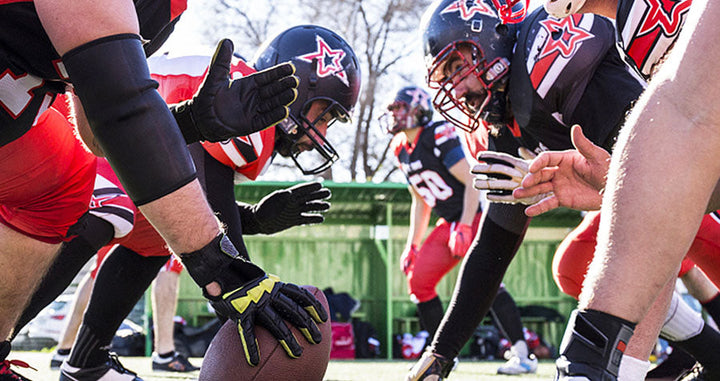
In the late sports, protective gear was minimal and often improvised. The late 19th and early 20th centuries saw the introduction of basic leather made from leather. Football players, for instance, wore simple leather helmets that provided minimal protection against head injuries. Similarly, early baseball catchers used rudimentary leather masks and chest protectors.
The primary focus during this era was on functionality rather than advanced protection. Leather, material of choice due to its durability and availability. However, these early forms of protection were far from adequate in preventing serious injuries.
Mid-20th Century: The Rise of Plastics and Standardization
The mid-20th century marked a significant turning point in the development of sports protective gear. The introduction of plastics and other synthetic materials revolutmaterials revolutionized the industry. Plastics offered several advantages over leather, including lighter they were lighter, more durable, and could be molded into various shapes to provide better protection.
In football, the transition from leather to plastic helmets in the 1940s was a game-changer. These new helmets offered improved impact resistance and could be customcover more of the head and face. Similarly, in hockey, players began wearing plastic helmets made from fiberglass and other synthetic materials, providing protection against high-speed pucks and collisions.
This period also saw the beginning of standardization in protective gear. Sports organizations started implementing regulations and standards for equipment, ensuring a baseline level of protection for all players.
Late 20th Century: Advanced Materials and Ergonomic Designs
As sports became more competitive and the understanding of sports-related injuries grew the focus shifted towards developing more sophisticated protective gear. The late 20th century saw the introduction of advanced materials like high-density foams, carbon fiber, and Kevlar in sports equipment.
Helmnotable innovation the most significant advancements was the development of energy-absorbing materials. These materials could dissipate the force of impacts, reducing the risk of concussions and other traumatic injuries. Helmets, in particular, benefited from these innovations, with multi-layered designs incorporating different materials for optimal protection.
Ergonomics also became a crucial consideration. Protective gear was no longer just about safety; it needed to enhance performance as well. This led to the development of more form-fitting gear that allowed for greater mobility while still providing adequate protection.
The 21st Century: High-Tech Solutions and Smart Gear
The dawn of the 21st century brought with it a new era of high-tech protective gear. The integration of technology into sports equipment has opened up unprecedented possibilities for athlete safety and performance monitoring.
One of the most notable innovations has been the development of smart helmets. These helmets are equipped with sensors that can detect and measure the force received during play. This technology allows coaches and medical staff to monitor potential concussions in real-time, enabling quicker responses to head injuries.
Coolomg, a leading manufacturer in the sports protective gear industry, has been at the forefront of developing innovative protective gear. Their line of smart compression wear, for instance, not only provides support and protection but also incorporates sensors to an athlete's vital signs and movement patterns. This data can be invaluable for optimizing training regimens and preventing injuries.
Nanotechnology has also made its way into sports protective gear. Materials engineered at the nanoscale can provide enhanced strength strength-to-weight ratios, allowing for gear that is both lighter and more protective. Coolomg's advanced protective padding, for example, utilizes nanocomposite materials that offer exceptional impact absorption while remaining flexible and comfortable.
The Rise of Customization and 3D Printing
Another significant trend in the evolution of sports protective gear is the move towards customization. With advancements in 3D scanning and printing technologies, it's now possible to create protective gear tailored to an individual athlete's body shape and specific needs.
This level of customization ensures a perfect fit, which is crucial for both comfort and effectiveness. Ill-fitting protective gear can be a hindonly uncomfortable but also potentially dangerous if it shifts during play. Custom-fitted mouthguards, for instance, provide superior protection against dental injuries compared to generic, off-all options.
3D printing also allows for rapid prototyping and testing of new designs. This has accelerated the pace of innovation in the industry, allowing companies to quickly iterate and improve their products based on real-world feedback and testing.
Focus on Specific Sports and Injury Prevention
As our understanding of sport-specific injuries has grown, so too has the specialization of protective gear. Different sports present different risks, and modern protective equipment is designed with these specific challenges in mind.
In cycling, for example, helmets have evolved to provide better aerodynamics without compromising on safety. Mountain biking helmets now often include additional coverage for the back of the head and reinforced areas to protect against impacts with trees or rocks.
For combat sports, advancements in protective gear have been crucial. Modern boxing gloves and MMA gear incorporate advanced foams and gel padding to reduce the risk of brain injuries from repeated impacts. Similarly, innovations in shin guards and other protective equipment have made martial arts training safer without hindering mobility.
The Future of Sports Protective Gear
Looking ahead, the future of sports protective gear promises to be even more exciting more exciting innovations. Researchers are exploring materials like non-Newtonian fluids, which remain flexible under normal conditions but instantly harden upon impact, providing superior protection against sudden forces.
Augmented reality (AR) is another technology that could revolutionize protective gear. AR-enabled visors or goggles could provide athletes with real-time information about their surroundings, potentially helping them avoid collisions or dangerous situations.
The integration of artificial intelligence (AI) into protective gear is also on the horizon. AI could analyze data from embedded sensors in real-time, predicting potential injuries before they occur and alerting athletes or coaches to take preventive action.
Conclusion
The evolution of sports protective gear from simple leather constructions to high-tech, smart equipment is a testament to human ingenuity and our commitment to athlete safety. As we've seen, this journey has been marked by significant milestones: the introduction of plastics, the development of advanced materials, the integration of electronic sensors, and now the dawn of AI and AR technologies.
Companies like Coolomg continue to push the boundaries of what's possible in sports protective gear, combining cutting-edge materials science with the latest in digital technology. As we look to the future, we can expect even more remarkable advancements that will not only protect athletes but also enhance their performance and our understanding of sports science.
The goal remains the same as it was when the first leather helmet was introduced: to keep athletes safe while allowing them to perform at their best. With each new innovation, we move closer to achieving that perfect balance of, ensuring that future generations of athletes can push their limits safely and confidently.

In the late sports, protective gear was minimal and often improvised. The late 19th and early 20th centuries saw the introduction of basic leather made from leather. Football players, for instance, wore simple leather helmets that provided minimal protection against head injuries. Similarly, early baseball catchers used rudimentary leather masks and chest protectors.
The primary focus during this era was on functionality rather than advanced protection. Leather, material of choice due to its durability and availability. However, these early forms of protection were far from adequate in preventing serious injuries.
Mid-20th Century: The Rise of Plastics and Standardization
The mid-20th century marked a significant turning point in the development of sports protective gear. The introduction of plastics and other synthetic materials revolutmaterials revolutionized the industry. Plastics offered several advantages over leather, including lighter they were lighter, more durable, and could be molded into various shapes to provide better protection.
In football, the transition from leather to plastic helmets in the 1940s was a game-changer. These new helmets offered improved impact resistance and could be customcover more of the head and face. Similarly, in hockey, players began wearing plastic helmets made from fiberglass and other synthetic materials, providing protection against high-speed pucks and collisions.
This period also saw the beginning of standardization in protective gear. Sports organizations started implementing regulations and standards for equipment, ensuring a baseline level of protection for all players.
Late 20th Century: Advanced Materials and Ergonomic Designs
As sports became more competitive and the understanding of sports-related injuries grew the focus shifted towards developing more sophisticated protective gear. The late 20th century saw the introduction of advanced materials like high-density foams, carbon fiber, and Kevlar in sports equipment.
Helmnotable innovation the most significant advancements was the development of energy-absorbing materials. These materials could dissipate the force of impacts, reducing the risk of concussions and other traumatic injuries. Helmets, in particular, benefited from these innovations, with multi-layered designs incorporating different materials for optimal protection.
Ergonomics also became a crucial consideration. Protective gear was no longer just about safety; it needed to enhance performance as well. This led to the development of more form-fitting gear that allowed for greater mobility while still providing adequate protection.
The 21st Century: High-Tech Solutions and Smart Gear
The dawn of the 21st century brought with it a new era of high-tech protective gear. The integration of technology into sports equipment has opened up unprecedented possibilities for athlete safety and performance monitoring.
One of the most notable innovations has been the development of smart helmets. These helmets are equipped with sensors that can detect and measure the force received during play. This technology allows coaches and medical staff to monitor potential concussions in real-time, enabling quicker responses to head injuries.
Coolomg, a leading manufacturer in the sports protective gear industry, has been at the forefront of developing innovative protective gear. Their line of smart compression wear, for instance, not only provides support and protection but also incorporates sensors to an athlete's vital signs and movement patterns. This data can be invaluable for optimizing training regimens and preventing injuries.
Nanotechnology has also made its way into sports protective gear. Materials engineered at the nanoscale can provide enhanced strength strength-to-weight ratios, allowing for gear that is both lighter and more protective. Coolomg's advanced protective padding, for example, utilizes nanocomposite materials that offer exceptional impact absorption while remaining flexible and comfortable.
The Rise of Customization and 3D Printing
Another significant trend in the evolution of sports protective gear is the move towards customization. With advancements in 3D scanning and printing technologies, it's now possible to create protective gear tailored to an individual athlete's body shape and specific needs.
This level of customization ensures a perfect fit, which is crucial for both comfort and effectiveness. Ill-fitting protective gear can be a hindonly uncomfortable but also potentially dangerous if it shifts during play. Custom-fitted mouthguards, for instance, provide superior protection against dental injuries compared to generic, off-all options.
3D printing also allows for rapid prototyping and testing of new designs. This has accelerated the pace of innovation in the industry, allowing companies to quickly iterate and improve their products based on real-world feedback and testing.
Focus on Specific Sports and Injury Prevention
As our understanding of sport-specific injuries has grown, so too has the specialization of protective gear. Different sports present different risks, and modern protective equipment is designed with these specific challenges in mind.
In cycling, for example, helmets have evolved to provide better aerodynamics without compromising on safety. Mountain biking helmets now often include additional coverage for the back of the head and reinforced areas to protect against impacts with trees or rocks.
For combat sports, advancements in protective gear have been crucial. Modern boxing gloves and MMA gear incorporate advanced foams and gel padding to reduce the risk of brain injuries from repeated impacts. Similarly, innovations in shin guards and other protective equipment have made martial arts training safer without hindering mobility.
The Future of Sports Protective Gear
Looking ahead, the future of sports protective gear promises to be even more exciting more exciting innovations. Researchers are exploring materials like non-Newtonian fluids, which remain flexible under normal conditions but instantly harden upon impact, providing superior protection against sudden forces.
Augmented reality (AR) is another technology that could revolutionize protective gear. AR-enabled visors or goggles could provide athletes with real-time information about their surroundings, potentially helping them avoid collisions or dangerous situations.
The integration of artificial intelligence (AI) into protective gear is also on the horizon. AI could analyze data from embedded sensors in real-time, predicting potential injuries before they occur and alerting athletes or coaches to take preventive action.
Conclusion
The evolution of sports protective gear from simple leather constructions to high-tech, smart equipment is a testament to human ingenuity and our commitment to athlete safety. As we've seen, this journey has been marked by significant milestones: the introduction of plastics, the development of advanced materials, the integration of electronic sensors, and now the dawn of AI and AR technologies.
Companies like Coolomg continue to push the boundaries of what's possible in sports protective gear, combining cutting-edge materials science with the latest in digital technology. As we look to the future, we can expect even more remarkable advancements that will not only protect athletes but also enhance their performance and our understanding of sports science.
The goal remains the same as it was when the first leather helmet was introduced: to keep athletes safe while allowing them to perform at their best. With each new innovation, we move closer to achieving that perfect balance of, ensuring that future generations of athletes can push their limits safely and confidently.
Kommentar hinzufugen