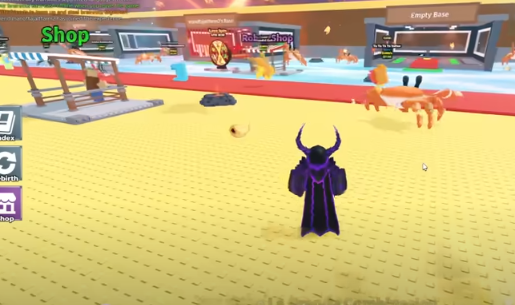
Steal A Brainrot is a game that has gained attention for its quirky mechanics and the collection of Brainrots. Many new players struggle to understand how to make progress efficiently, how to obtain rare Brainrots, and what the in-game economy looks like in practice. This guide answers some of the most common questions based on how most players approach the game.
What Are Brainrots?
In general, Brainrots are the core collectible units in the game. Each Brainrot has a cost, an income rate, and sometimes special abilities or rituals. Players usually focus on collecting Brainrots that provide a good return on investment, measured as income per second versus purchase cost.
Some Brainrots are very rare or have unique appearances. For example, Cappuccino Clownino is classified as a Brainrot God. It generates $285K per second and costs $48.5M to obtain. Most players note that its creepy design—red eyes, clown hair, and balloon-like swords—makes it stand out among other Brainrots, but rarity doesn’t always equate to utility. In general, players weigh the income against the cost before deciding to pursue a Brainrot.
How Do You Get Rare Brainrots?
Rare Brainrots can usually be obtained from special in-game events or items, like the Spooky Lucky Block. In practice, most players will open these blocks repeatedly to try and get high-tier Brainrots. However, luck plays a significant role, and some Brainrots, such as Cappuccino Clownino, are notably more common in these special blocks, which means you may end up getting duplicates before finding a truly rare one.
Players often develop strategies to maximize their chances. For instance, many will stockpile coins or other resources specifically for these events, so they can open multiple blocks in a short period. Timing and patience are key, as randomness is a big part of the system.
What About Trading or Selling Brainrots?
While the game itself does not officially support real-money transactions, there are ways that players can sell brainrots for real money outside the game environment. Most players treat this cautiously. The practical effect is that a Brainrot’s perceived value can be much higher than its in-game utility. Players looking to trade often focus on Brainrot Gods or other high-rarity units, as these are the ones most sought after by other players.
In general, the community prefers to emphasize in-game progress over real-world transactions. Selling Brainrots for real money is usually limited to rare cases and involves external agreements or third-party platforms, which come with their own risks.
How Should I Decide Which Brainrots to Focus On?
Most players evaluate Brainrots based on a few key factors:
Income per Second – This determines how quickly a Brainrot pays back its cost. High-income Brainrots are usually prioritized first.
Cost – Expensive Brainrots can slow down progress if resources are limited, so balancing cost versus income is important.
Rarity and Special Abilities – Some Brainrots have abilities or rituals that can enhance your other Brainrots. Most players will factor these abilities into long-term strategies, but rarely do they outweigh income efficiency.
A common approach is to first acquire Brainrots that give steady income, then gradually aim for rare or visually appealing units.
How Do Rituals Work?
Not all Brainrots have rituals. In practice, rituals can provide short-term boosts to income or unlock special interactions. Most players view them as secondary to base income, using them occasionally rather than as a primary strategy. Brainrot Gods like Cappuccino Clownino do not have rituals, so their value is almost entirely in the raw income they produce.
Are There Any Common Player Mistakes?
From experience, the most common mistakes include:
Chasing Rarity Over Efficiency: Players sometimes spend too much on rare Brainrots without considering their income potential.
Ignoring Lucky Blocks: Special blocks often contain high-income or rare Brainrots, and skipping them slows progression.
Not Planning Resource Use: In general, efficient resource management—saving coins for higher-value Brainrots—is critical.
Players who balance income, cost, and rarity usually progress faster and experience less frustration.
Steal A Brainrot rewards strategic thinking more than anything else. Most players focus on building a balanced collection of Brainrots that provide solid income, while occasionally chasing rare or visually interesting units like Cappuccino Clownino. Lucky Blocks are key for obtaining these rarities, but randomness plays a major role, so patience is necessary. Selling brainrots for real money happens but is not a core part of normal gameplay. In general, success in the game comes from steady accumulation, careful resource allocation, and prioritizing income efficiency.